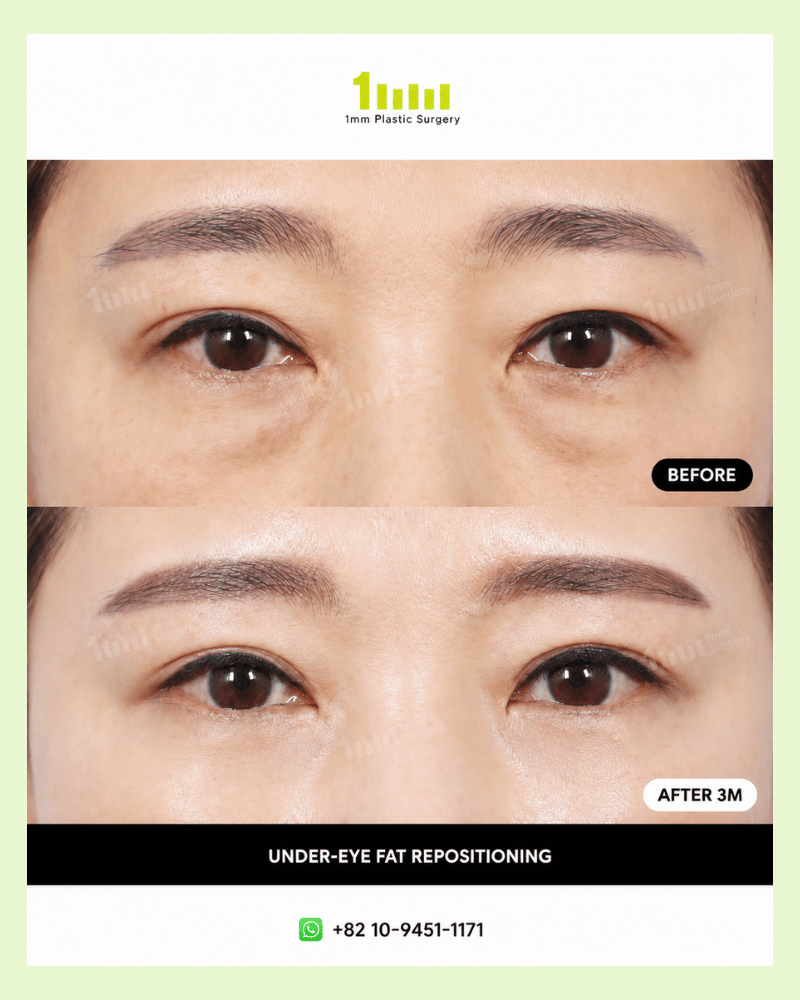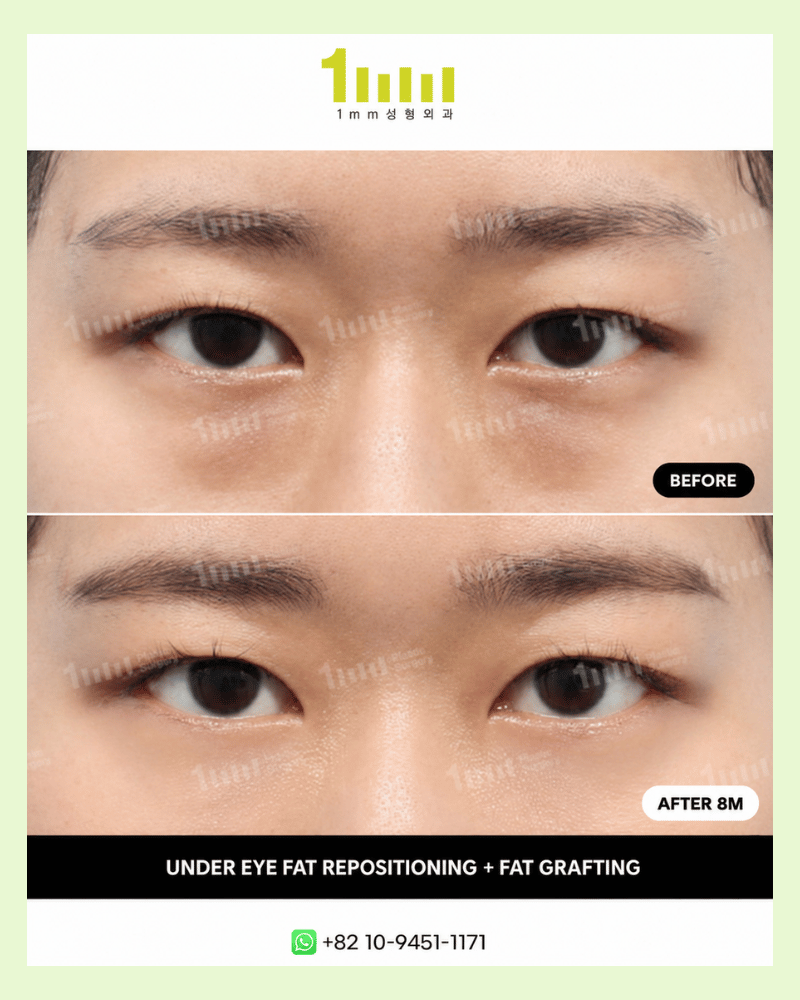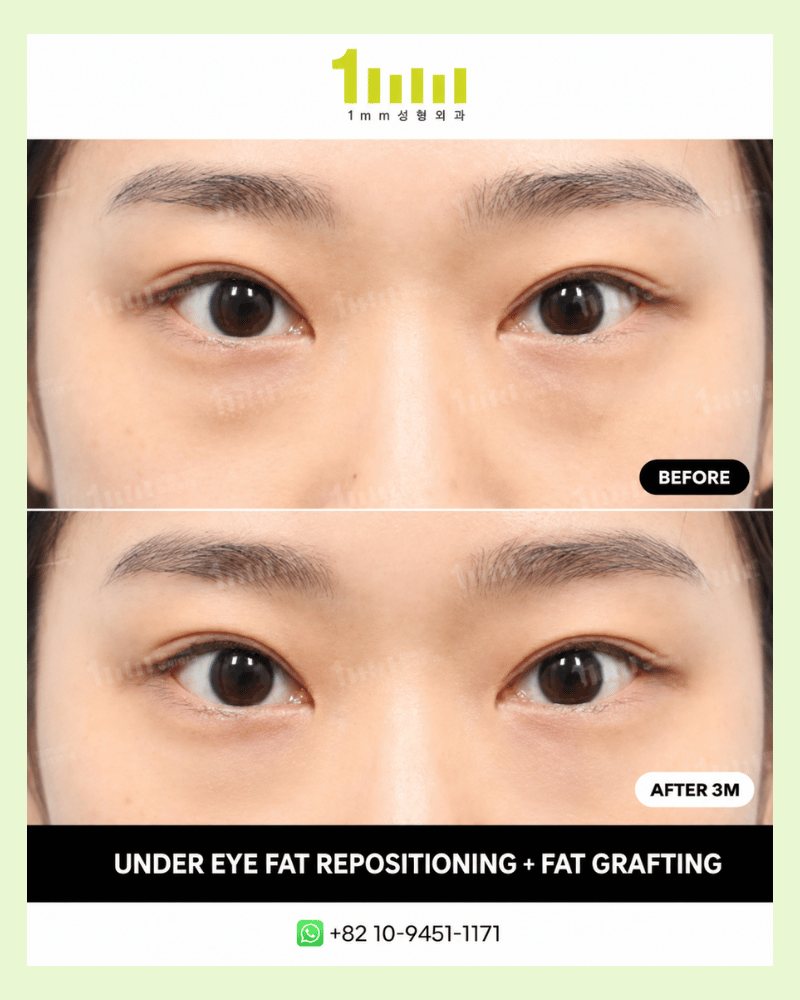

Deep-set eyes sit further back within the eye socket, with a more prominent brow bone and often a visible hollow between the brow and the lash line. This anatomy gives the face a defined, sculpted look, but it also changes how a double eyelid crease behaves. A design that looks soft and natural on a fuller eyelid can appear too deep, too high or tired on a deep-set eye. Understanding these differences is essential for anyone with this eye shape who is considering double eyelid surgery.
What Makes an Eye Deep-Set
Deep-set eyes share a few typical features:
- A brow bone that projects further forward than the eyeball
- A visible upper eyelid hollow, sometimes called a sunken sulcus
- Relatively little fat in the upper eyelid
- A natural crease that may already sit high or look shadowed
These features are partly inherited and partly shaped by age, since fat in the upper lid naturally decreases over time.
Why Crease Height Needs Extra Care
On a deep-set eye, the skin above the crease has less fullness to fold over the line. As a result, any crease looks taller and deeper than the same design on a full eyelid. A crease placed too high can exaggerate the hollow and make the eyes look tired, older or surprised. Surgeons therefore usually design a slightly lower, more conservative line so that the visible fold looks balanced with the brow and the shape of the socket. The amount of skin that shows above the lashes, often called "show", is also planned carefully, because a deep-set eye can lose most of its visible lid when a crease is set too high.
Fat: Preserve, Reposition or Add
Fat management is very different from fuller eyelids:
- Preserve: removing fat from a deep-set lid often worsens hollowness, so most is kept in place.
- Reposition: existing fat can sometimes be redistributed to soften the transition above the crease.
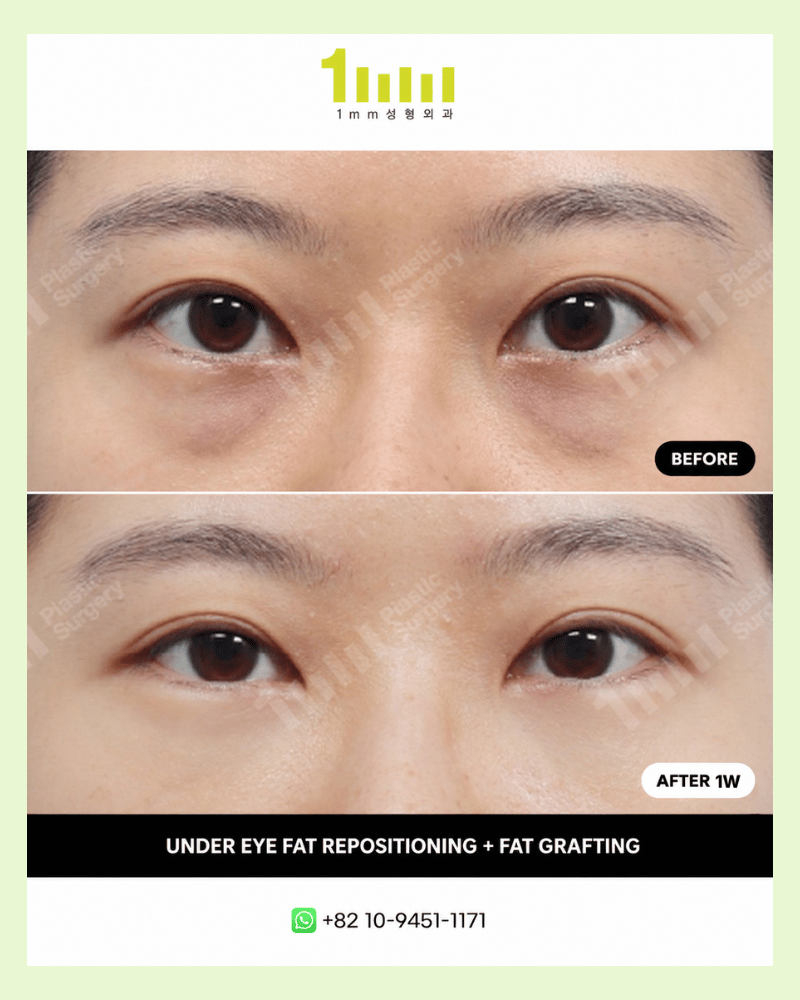
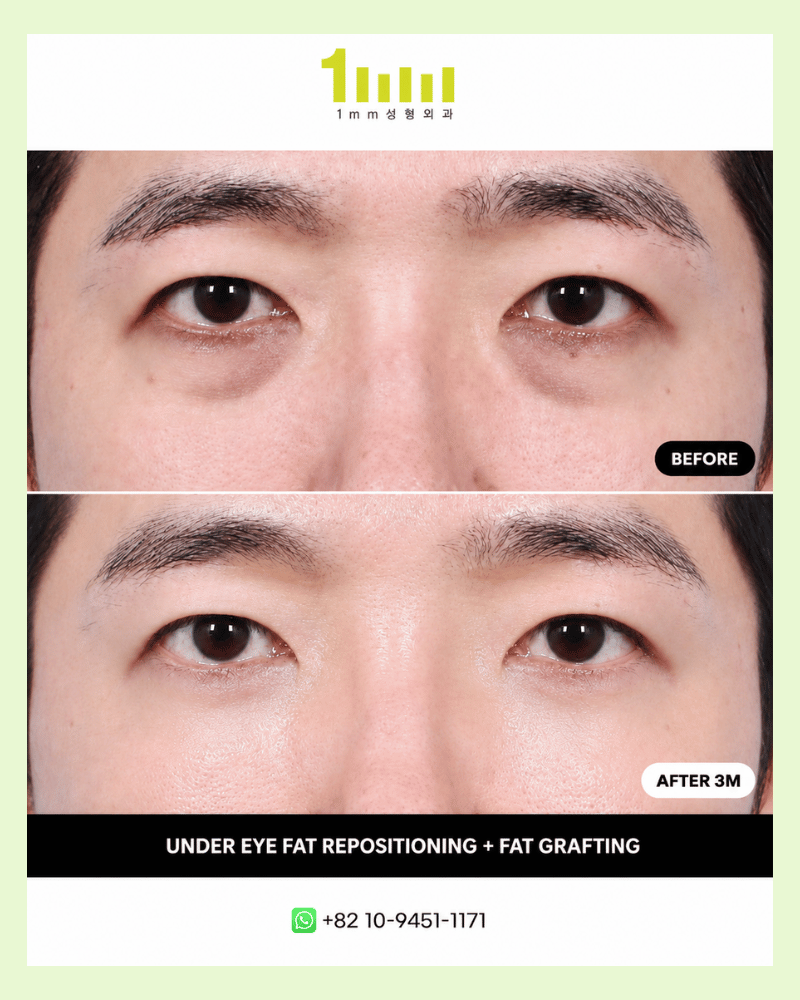
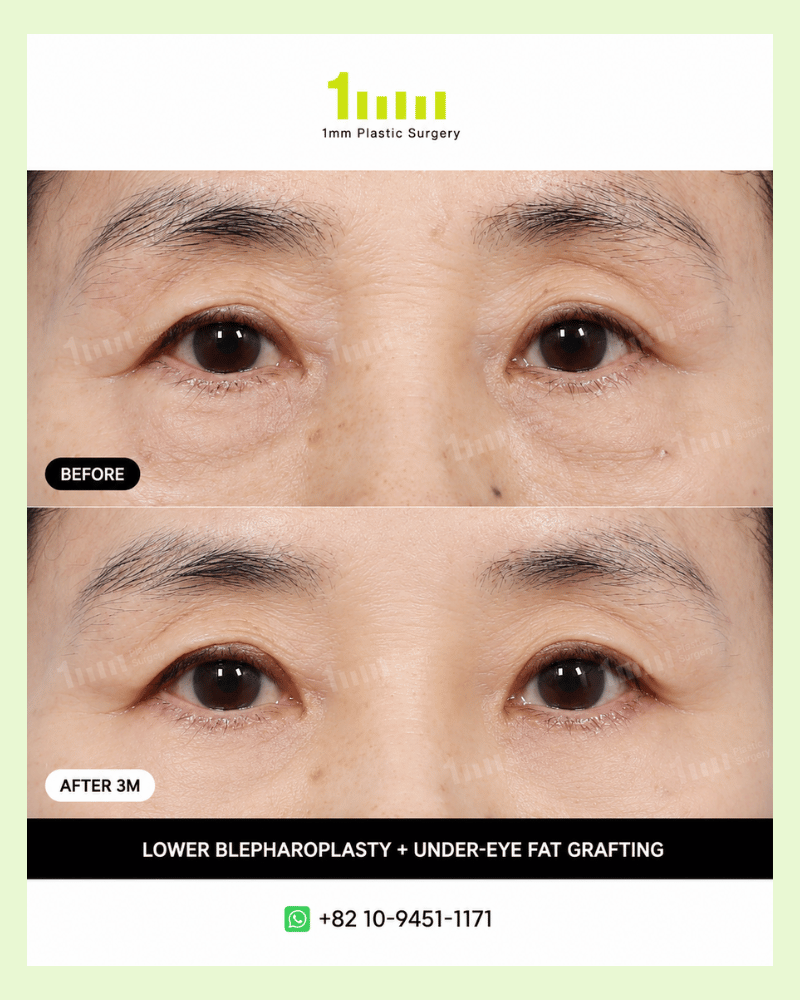
- Add volume: in pronounced hollows, fat grafting may be discussed to restore a smoother contour.
The goal is a soft, gently rounded lid rather than a sharp, carved groove.
Choosing the Crease Shape
Deep-set eyes often suit a crease that follows the natural curve of the socket. Many people find a gently tapered or low parallel line looks most natural, because it avoids drawing attention to the hollow. Very wide parallel creases may create a dramatic contrast between the lid and the brow bone. A temporary crease simulation in front of a mirror is especially useful here, because small changes in height can dramatically change the look. Reference photos are still helpful, but it is best to choose examples of people with similar eye depth so that expectations match what the anatomy can support.
Checking Eyelid Strength and Brow Position
Two related factors are always assessed:
- Eyelid opening strength: deep-set eyes may hide mild ptosis, where the lid margin sits slightly low over the pupil.
- Brow habits: some people raise their brows to open their eyes, which lifts skin and alters the crease.
- Asymmetry: one eye is often slightly deeper than the other.
If ptosis is present, correcting it can make the crease look more natural and the eyes more awake.
Technique Considerations
Because deep-set lids typically have thin skin and little fat, both suture and incisional techniques may be suitable. Suture methods can work well when only a fold needs to be created. Incisional methods are often chosen when ptosis correction, fat repositioning or precise fixation is needed. The surgeon also considers how the skin will behave as it ages, since a deep-set eye may become more hollow over time and a durable, conservative design tends to last best. Long-term stability is particularly valuable here, because a crease that loosens on a deep-set eye can quickly look uneven.
Healing and What to Expect
Early swelling can temporarily fill the hollow and make the crease look different from the final result:
- First two weeks: the lid may look fuller and the crease higher than planned.
- Weeks three to eight: swelling fades and the natural depth of the socket reappears.
- Months three to six: the final balance between crease, hollow and brow becomes clear.
Patients sometimes worry when the hollow returns, but this is usually the eye settling back to its natural shape.
Key Points to Discuss at Consultation
Ask how deep your eyes are compared with average, how high your crease can sit without exaggerating the hollow, and whether any fat will be removed, preserved or added. Ask whether your eyelid strength is normal and how your brow position affects the design.
- Deep-set eyes need lower, more conservative creases than fuller lids.
- Fat removal is usually minimal; preserving or adding volume is more common.
- Mild ptosis should be ruled out before designing the crease.
- The final look appears only once swelling has fully settled.
A plan tailored to the depth of your socket is the best way to achieve a refreshed, natural double eyelid.
This article is intended for general education and does not replace personal medical advice. Eyelid anatomy, skin quality, healing tendencies and goals vary widely from person to person, so the right plan for one patient may not suit another. A thorough consultation, honest questions and realistic expectations about swelling and recovery give you the best foundation for a confident decision.