
Some people notice that their double eyelid crease looks smooth across most of the eye but divides into two separate lines near the outer corner. This can happen naturally, with age, or after eyelid surgery. The split may be subtle or very noticeable, and it can make the eyes look tired or uneven. Understanding why it occurs helps determine whether it needs treatment and which approach is most appropriate.
What a Split Crease Looks Like
A split at the outer edge may appear as:
- Two parallel lines that separate toward the outer corner
- A main crease with a secondary line forming above or below it
- A crease that becomes irregular or broken near the edge
- A difference that is more visible when looking down or smiling
Common Causes in Natural Eyelids
In eyelids that have not had surgery, a split often develops with age. Skin becomes looser, the brow tail descends, and the outer upper eyelid gains extra folds. Volume loss can also create a hollow that encourages an additional line to form. Some people have naturally irregular skin connections that create multiple folds even when they are young.
Causes After Surgery
After double eyelid surgery, a split can result from:
- Uneven fixation: attachment points that are not evenly spaced at the outer edge.
- Incomplete crease extension: the crease may not continue far enough toward the outer corner.
- Scar adhesions: healing tissue can create a secondary fold.
- Volume loss: fat removal may create a hollow that encourages a second line.
- Skin excess: remaining loose skin can fold in more than one place.
If you are unsure, it is perfectly reasonable to ask for a second consultation or more time to think. A good surgeon will welcome questions, provide clear explanations and photographs, and never pressure you into a decision before you feel confident about the plan.
How Surgeons Evaluate the Split
The assessment usually includes looking at the crease with the eyes open, closed, looking down and smiling. The surgeon examines skin quality, brow position, volume in the upper eyelid and the location of any scars. Gently lifting the brow or the skin can show whether the split disappears, which suggests that skin excess or brow descent is the main cause. Photos from different angles help document the pattern.
Treatment Options
Depending on the cause, possible approaches include:
- Skin removal: if loose skin is folding in multiple places.
- Crease refixation: to create a single, well-defined line along the outer edge.
- Scar release: to free adhesions causing an extra fold.
- Volume restoration: fat grafting if hollowness is contributing.
- Brow support: if a low brow tail is pushing skin into folds.
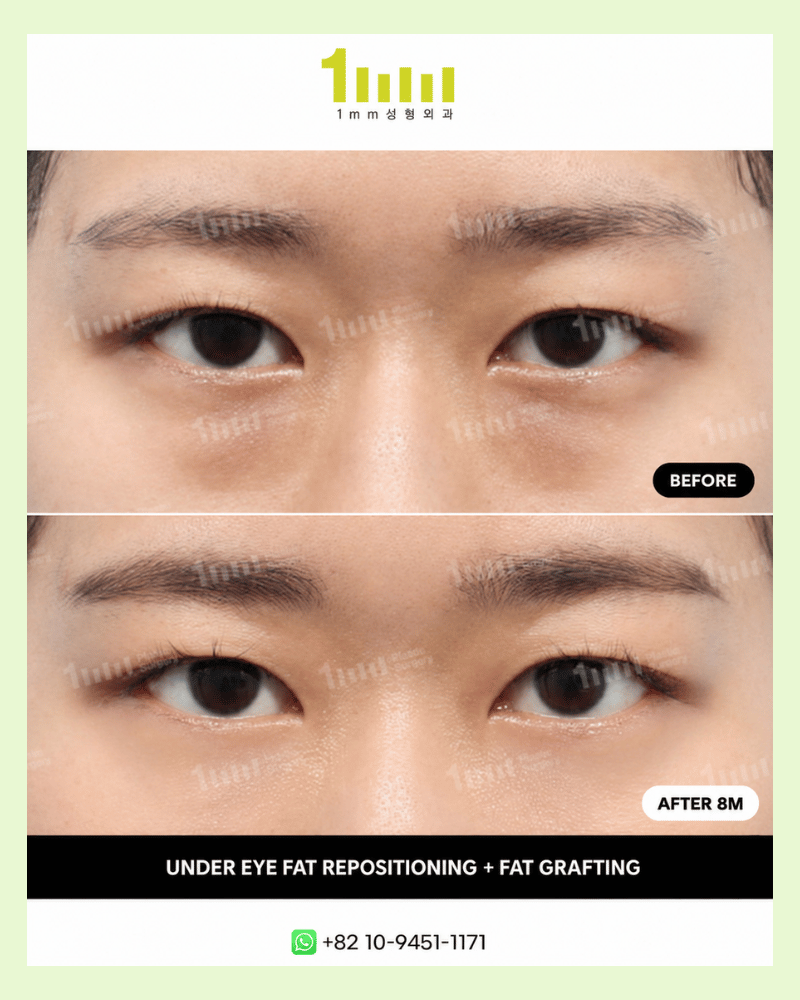
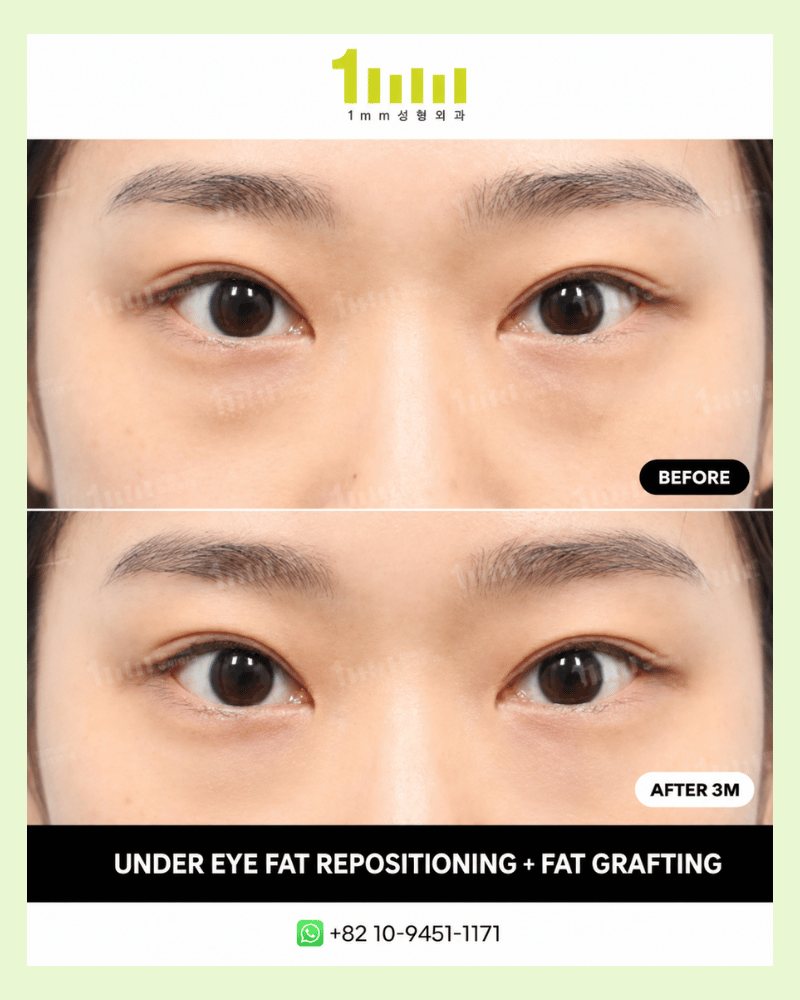
Patients often find it reassuring to see examples of people with similar anatomy who have undergone the same approach. Before-and-after photos taken in consistent lighting, with the same expression and camera angle, provide a far more reliable impression of likely results than isolated images chosen only for their visual impact.
When Treatment May Not Be Necessary
A mild split that only appears in certain expressions or lighting may not require treatment. Many people with subtle irregularities are not bothered once they understand the cause. During early healing after surgery, temporary splitting can also occur as swelling settles, so waiting several months before considering revision is often recommended. The decision to treat should be based on how much the split affects appearance and comfort.
Planning your schedule around recovery is equally important. Most people need several days of rest followed by a period when swelling is still visible, so it is wise to avoid booking important events, travel or photographs too soon afterwards. Building in extra time allows healing to progress naturally without pressure to judge the result early.
Challenges in Correction
Correcting a split crease can be technically demanding, especially after previous surgery. Scar tissue, limited skin and altered anatomy require careful planning. Results may also take longer to settle than after a first procedure. Choosing a surgeon experienced in eyelid revision and discussing realistic expectations are essential steps before proceeding with corrective surgery.
Key Points to Remember
Ask whether your split is caused by skin, brow descent, volume loss or scarring, and whether it is likely to improve on its own.
- Split creases are common with age and after surgery.
- Lifting tests help identify whether skin or brow is the main cause.
- Treatment depends on the underlying cause.
- Waiting for swelling to settle is important after recent surgery.
Accurate diagnosis is the foundation for restoring a smooth, natural crease at the outer edge.
Every eyelid is different, and general information like this cannot replace an in-person examination. Measurements, photographs and a careful discussion of your goals allow a surgeon to explain which options are realistic for your anatomy, what the recovery will involve, and how the result is likely to change over time. Taking the time to understand these details before deciding is one of the most reliable ways to achieve a natural, lasting outcome.