Common Ptosis Surgery Questions
July 23, 2026
If you are considering ptosis surgery (blepharoptosis repair), it is natural to have questions about safety, procedure details, recovery, and long-term results. Below are answers to the most frequently asked questions by patients planning to undergo ptosis correction in South Korea.
Procedure & Anesthesia Questions
- Is ptosis surgery painful?
- Answer: You will not feel pain during the procedure. Surgery is performed under local anesthesia combined with light intravenous (IV) sedation. You will be relaxed and comfortable throughout, feeling only mild pressure or light touch.
- How long does the surgery take?
- Answer: Ptosis correction typically takes between 60 to 90 minutes. Complex cases, frontalis sling surgeries, or revision procedures may take up to 2 hours.
- Will I be awake during the surgery?
- Answer: Yes, you will be in a light, comfortable state of awareness. Surgeons in Korea intentionally keep you awake under local anesthesia so you can open and close your eyes while sitting upright during surgery. This allows the surgeon to confirm millimeter-exact lid height and symmetry before closing the incisions.
Recovery & Daily Life Questions
- How long is the recovery period after ptosis surgery?
- Answer: Initial swelling and bruising peak during the first 48 hours and decrease significantly over 1 to 2 weeks. Sutures are removed at 5 to 7 days post-op. Most patients return to work and light daily activities within 7 to 10 days, while final tissue settling occurs over 3 to 6 months.
- When can I wear contact lenses and makeup again?
- Answer: You should avoid wearing contact lenses and eye makeup for at least 3 weeks post-surgery. Pulling on the eyelid to insert lenses or remove makeup can stretch or damage the newly repaired internal levator muscle.
- Will my eyes close completely after surgery?
- Answer: Temporary incomplete eye closure (lagophthalmos) can occur during the first few weeks, especially in moderate to severe cases. Applying prescribed lubricating eye drops during the day and thick eye ointment at night keeps the corneal surface hydrated until tissue flexibility normalizes.
Surgical Options & Outcomes Questions
- What is the difference between non-incisional and incisional ptosis correction?
- Answer: Non-incisional ptosis correction uses internal micro-sutures on the inner lining of the eyelid, leaving zero external skin scars. It is ideal for mild droop with thin skin. Incisional ptosis correction involves a cut along the eyelid crease line, allowing surgeons to directly adjust the levator muscle, trim excess sagging skin, and remove bulging fat pads for moderate to severe droop.
- Can ptosis surgery be combined with double eyelid surgery?
- Answer: Yes. Combining both procedures is standard practice. Ptosis correction adjusts the internal muscle to lift the eyelid margin, while double eyelid surgery creates a clean crease fold on the surface skin. Doing both simultaneously ensures a natural, wide-awake result with a single recovery period.
- Will ptosis surgery leave visible scars?
- Answer: Incisions are placed precisely within the natural eyelid crease fold. As the incision heals over 3 to 6 months, the fine scar line blends into the crease and becomes virtually invisible when your eyes are open. Non-incisional procedures leave no external skin scars at all.
Cost & International Patient Questions
- How much does ptosis surgery cost in South Korea?
- Answer: Non-incisional ptosis correction ranges from $2,000 to $3,200 USD. Incisional levator advancement ranges from $2,500 to $4,500 USD. Complex frontalis sling or revision ptosis procedures range from $3,500 to $7,000+ USD.
- How long should international patients stay in Korea for surgery?
- Answer: Plan to stay in Seoul for at least 7 to 10 days. This allows enough time for pre-operative consultation, surgery, post-op deswelling treatments, and stitch removal at 5 to 7 days before flying home.
- Can foreign tourists receive a tax refund on surgery costs?
- Answer: Yes. Foreign tourists undergoing medical procedures in Korea are eligible for a Value Added Tax (VAT) refund of approximately 7% to 8%, which can be collected at the airport prior to departure.
Final Thoughts
Ptosis surgery safely restores clear vision and an alert, natural facial appearance when performed by experienced specialists. Consulting with a board-certified oculoplastic or plastic surgery expert in South Korea ensures a thorough anatomical diagnosis and a customized treatment plan tailored to your needs.
You might also like

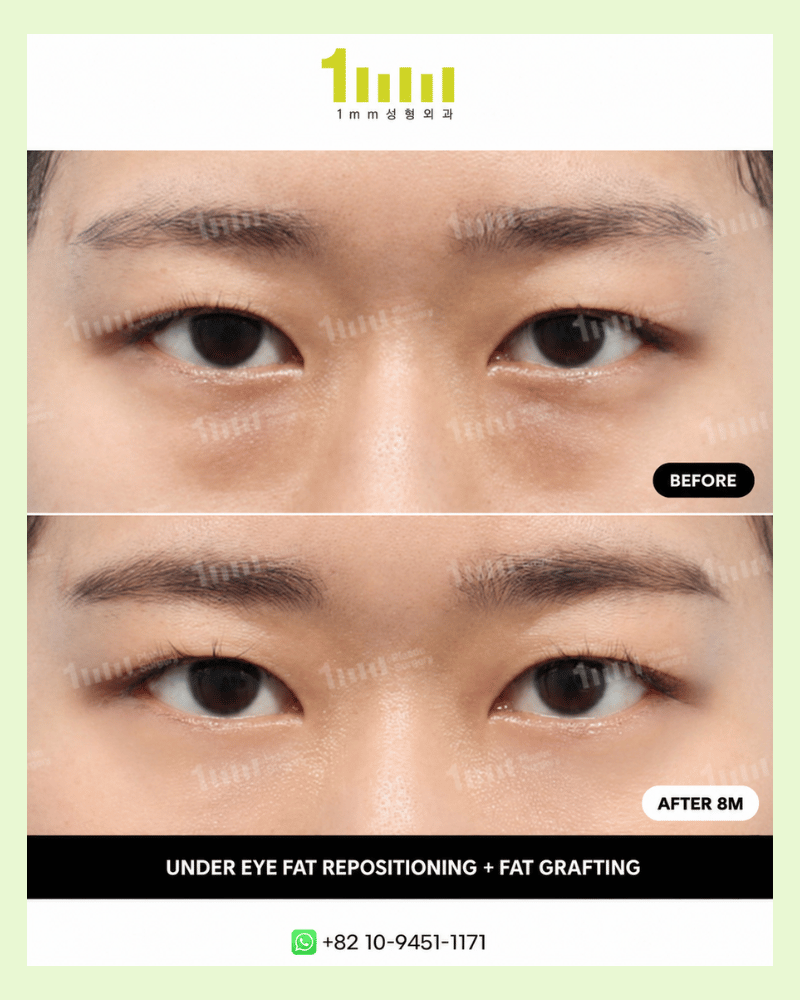
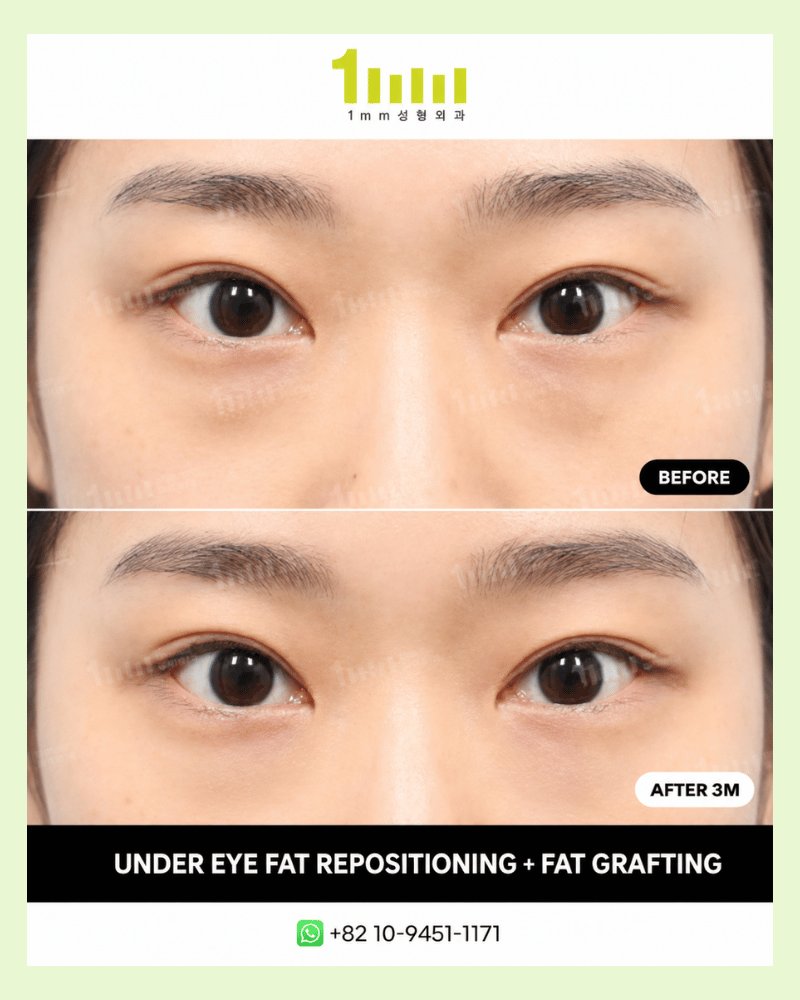
South Korea is globally recognized as the leading destination for aesthetic eye surgery, offering unprecedented precision, advanced micro-surgical techniques, and tailored care. Whether you are considering double eyelid surgery, ptosis correction, or canthoplasty, this comprehensive guide covers everything international patients need to know—from selecting procedures to recovery and pricing in Seoul. 1. Popular Types of Eyelid Surgery in Korea Korean oculoplastic specialists customize every procedure based on individual anatomical structures, lid thickness, and eye muscle power: Double Eyelid Surgery (Blepharoplasty): Non-Incisional (Suture/Natural Adhesion): Uses micro-burial thread knots to anchor folds without cutting skin. Ideal for younger patients with thin eyelids and minimal fat. Fast recovery with zero linear scars. Incisional Method: A precise incision along the planned fold removes excess sagging skin and orbital fat pads. Best for thicker lids or long-lasting structural results. Ptosis Correction (Eye Muscle Strengthening): Tightens the underlying levator muscle responsible for lifting the upper eyelid. Corrects sleepy or heavy-looking eyes so they open brightly without straining the forehead. Canthoplasty (Corner Reshaping): Medial Canthoplasty: Redrapes the inner epicanthal fold to expose hidden eye length and widen the inner eye area. Lateral & Dual Canthoplasty: Adjusts the outer eye corner angle and tendon to lengthen eyes horizontally and soften a sharp upward slant. Under-Eye Fat Repositioning: Shifts puffy lower eyelid fat bags into hollow tear troughs through an invisible incision inside the lower lid (transconjunctival), creating a smooth, refreshed lower eye area. 2. Choosing Your Ideal Crease Shape Modern Korean aesthetic philosophy emphasizes natural harmony over high, artificial folds: In-Fold (Tapered): Originates hidden beneath the inner eye corner and widens toward the outer edge for a subtle, classic look. In-Out Fold (Semi-Out Line): Begins just above the inner corner, creating a clean line that widens gently. Currently the #1 requested style in Seoul for an open, effortless appearance. Out-Fold (Parallel): Runs parallel to the lash line from start to finish, best suited for deeper eye sockets or wider brow spacing. 3. Timeline for Overseas Patients in Seoul To ensure safe healing, overseas patients should plan a 7 to 10-day stay in Seoul: Day 1: 1:1 In-person consultation, interactive 3D/micro-probe line simulation, pre-op medical checks, and surgery. Days 2 to 5: In-clinic deswelling care (medical-grade high-density LED light therapy) and sterile dressing changes. Days 6 to 7: Suture removal, corneal check, and formal pre-flight clearance from your surgeon. Days 8 to 10: Safe flight home, followed by scheduled remote photo check-ins (1 month, 3 months, 6 months) via English medical coordinators. Estimated Cost Range for Eyelid Surgery in Korea Comprehensive clinic packages in Gangnam and Apgujeong routinely include consultations, surgical fees, high-density LED deswelling therapy, prescription kits, and stitch removal: Double Eyelid Surgery (Non-Incisional / Incisional): $1,500 – $3,500 USD Standalone Canthoplasty (Medial / Lateral / Dual): $1,200 – $4,200 USD Combined Double Eyelid + Canthoplasty: $3,200 – $6,000 USD Under-Eye Fat Repositioning: $2,200 – $3,500 USD Complex Revision Eyelid Surgery: $3,800 – $8,500+ USD Why Choose Korea for Eyelid Surgery? Sub-Specialized Oculoplastic Experts: Surgeons perform hundreds of eye procedures monthly, mastering micro-layer techniques that preserve underlying muscle and minimize scar formation. Dedicated Foreign Patient Services: Top clinics feature 1:1 English coordinators who handle everything from initial online consultations to aftercare and airport tax refunds (~7–8% VAT return). Advanced Post-Op Care: Access to medical-grade deswelling light therapy and long-term remote photo check-ins ensures a smooth, safe recovery after you return home. Final Thoughts Eyelid surgery in South Korea combines world-class surgical expertise with hyper-personalized aesthetic care. By choosing a board-certified specialist, selecting a crease height suited to your bone structure, and following proper aftercare, you can achieve natural, beautifully refreshed results with complete peace of mind.
Navigating the details of upper eyelid surgery (blepharoplasty) or double eyelid surgery in South Korea can feel overwhelming with so much information available. To help you plan your journey with clarity and confidence, here are direct answers to the most common questions international patients ask during pre-operative consultations in Seoul. 1. Surgical Basics & Planning What is the difference between upper blepharoplasty and double eyelid surgery? Double eyelid surgery focuses primarily on creating a supratarsal fold where none exists (or refining an existing crease). Upper blepharoplasty addresses age-related changes by removing excess sagging skin, trimming protruding fat pads, and tightening loose tissue above the lid margin. Should I choose the incisional or non-incisional (suture) method? Non-incisional (suture): Ideal for younger patients with thin eyelid skin and minimal fat. Offers rapid recovery with no linear scar, though folds may loosen over time. Full incisional: Recommended for patients with thicker lid skin, excess fat, or sagging tissue. Creates a permanent, highly customizable crease that will not loosen. Is ptosis correction always necessary with eyelid surgery? Not always. Ptosis correction is only added if your levator (eyelid-lifting) muscle is functionally weak. Strengthening this muscle ensures your eyes open brightly without forcing you to lift your brows. 2. Recovery, Flying & Daily Life How long do I need to stay in South Korea after surgery? Plan to remain in Seoul for 7 to 10 days . This allows your surgical team to perform necessary post-op check-ups, conduct high-density LED deswelling therapy, and remove micro-sutures on Day 6 or 7 before you fly home. Is it safe to fly long-distance after stitch removal? Yes. Once your surgeon inspects your incisions and removes the sutures on Day 6 or 7, you are cleared to fly. Keeping your eyes lubricated with drops and using a neck pillow to elevate your head during the flight will prevent cabin-pressure swelling. When can I wear contact lenses and eye makeup again? Contact Lenses: Avoid wearing lenses for at least 2 to 3 weeks post-op to prevent stretching the fresh eyelid incisions. Eye Makeup: Wait 2 weeks after surgery before applying eye shadow or eyeliner, and use gentle, oil-free removers. How painful is suture removal? Eyelid stitch removal is quick and causes minimal discomfort—most patients describe it as a minor tugging sensation that lasts less than two minutes. 3. Results & Long-Term Care Will my double eyelid look natural? Yes, when designed conservatively. Korean specialists tailor fold heights (typically 6 mm to 8 mm) to your orbital bone structure and brow distance, ensuring the crease settles into a subtle, effortless fold. When will the swelling fully disappear? Major swelling: Resolves within 2 to 3 weeks (70–80%). Final settlement: Tissue completely softens and residual micro-swelling clears between 3 to 6 months post-op. When should I start applying scar gel? Begin applying clinic-prescribed silicone scar gel twice daily starting 2 weeks post-op , once the incision lines have fully closed and smoothed over. Estimated Cost Range for Blepharoplasty in Korea Standard clinic packages in Seoul routinely include pre-op anatomical evaluations, surgical fees, high-density LED deswelling treatments, prescription kits, and stitch removal: Non-Incisional Double Eyelid Surgery: $1,500 – $2,800 USD Full Incisional Upper Blepharoplasty: $2,200 – $3,800 USD Combined Eyelid Surgery + Ptosis Correction: $2,800 – $4,800 USD Complex Revision Eyelid Surgery: $3,800 – $8,500+ USD Why Choose Korea for Eyelid Surgery? Sub-Specialized Oculoplastic Experts: Korean surgeons perform thousands of eye procedures annually, mastering subtle micro-layer adjustments that prioritize structural preservation. Integrated Foreign Patient Support: Premier Gangnam and Apgujeong clinics feature 1:1 English coordinators, structured deswelling care, and long-term remote photo check-ins after you return home. Airport Tax Refund Benefits: International tourists can claim an immediate ~7–8% Value-Added Tax (VAT) refund on surgical expenses at Incheon International Airport before departure. Final Thoughts Having clear answers to your recovery and surgical questions ensures a calm, confident experience. By selecting a board-certified Korean specialist and following your post-op care instructions closely, you can enjoy a safe surgical journey and beautifully natural, refreshed results.
In South Korea—the global capital of aesthetic procedures—eyelid surgery trends have shifted dramatically away from dramatic, obvious alterations toward "Quiet Beauty" and hyper-natural customization . Modern techniques prioritize subtle refinements that complement your facial proportions while keeping recovery times to a minimum. Here are the key eyelid surgery trends currently dominating top clinics in Seoul. 1. The Trendiest Fold Shapes The Rise of the "Semi-Out Line" (The #1 Most Requested Style): What it is: A hybrid crease that begins slightly above the inner corner without touching the epicanthal fold, widening gently toward the outer edge. Why it's trending: It offers the eye-opening clarity of a parallel out-fold while maintaining the soft, effortless look of an in-fold—making it the top requested style among K-pop idols and patients alike. Lower, Softer Creases Over High Folds: High, dramatic "Westernized" creases have largely been replaced by lower, conservative folds (6 mm to 7.5 mm). Patients increasingly prefer subtle enhancements that look naturally inherited rather than surgically created. "In-Out" Folds for Subtle Sophistication: For patients wanting a refined, classic appearance, the in-out fold remains a timeless favorite, providing a clean line that seamlessly extends from the inner lash line. 2. Advanced Surgical & Technique Trends Natural Adhesion & Multi-Knot Suture Techniques: Incisional methods are increasingly avoided when possible. Instead, surgeons utilize advanced "natural adhesion" or multi-lock burial techniques (using 5 to 9 micro-anchors) to secure folds permanently with minimal swelling and zero linear scars. Micro-Incisions & Muscle Preservation: When incisional procedures are necessary, modern Korean surgeons focus on preserving underlying orbicularis oculi muscles and tissue. This prevents hollowed lids and ensures the fold flattens smoothly when eyes are closed. 3D AI & Digital Pre-Op Simulation: Top Gangnam clinics integrate high-definition imaging and AI symmetry tools during pre-op evaluations. This allows patients to preview fold height dynamics and facial balance in real time before entering the operating room. 3. "All-in-One" Eye Rejuvenation Packages Korean specialists rarely look at the upper eyelid in isolation. Instead, they combine complementary procedures in a single session for comprehensive eye harmony: Double Eyelid + Mild Ptosis Correction: Tightens the levator muscle so eyes open wide and bright without relying on forehead muscles. Transconjunctival Under-Eye Fat Repositioning: A "no-scar" procedure that shifts puffy lower bag fat into hollow tear troughs, creating a smooth, youthful under-eye area. Dual Canthoplasty: Subtle adjustments to the inner (medial) or outer (lateral) eye corners to widen horizontal proportions and soften eye angles without over-cutting. Estimated Cost Range for Eyelid Surgery in Korea Standard clinic packages routinely include pre-op line simulation, high-density LED deswelling therapy, prescription kits, suture removal, and long-term remote tracking: Double Eyelid Surgery (Non-Incisional / Incisional): $1,500 – $3,500 USD Standalone Canthoplasty (Medial / Lateral / Dual): $1,200 – $4,200 USD Combined Double Eyelid + Canthoplasty: $3,200 – $6,000 USD Under-Eye Fat Repositioning: $2,200 – $3,500 USD Complex Revision Eyelid Surgery: $3,800 – $8,500+ USD Why Choose Korea for the Latest Eye Trends? Sub-Specialized Surgical Mastery: Surgeons in Seoul perform hundreds of eye procedures monthly, constantly refining micro-techniques that set global beauty standards. Preservation-Focused Philosophy: Korean aesthetic philosophy centers on natural enhancement, ensuring your eyes look refreshed rather than "worked on". Foreign Patient Infrastructure: Premier clinics offer 1:1 English coordinators, dedicated deswelling light therapy, and immediate tax refunds (~7–8% VAT return) at Incheon Airport prior to departure. Final Thoughts Eyelid surgery trends in South Korea revolve around precision, tissue preservation, and ultra-natural aesthetics. Whether opting for a trendy semi-out line or combining upper lid fold creation with under-eye fat repositioning, consulting a board-certified oculoplastic specialist ensures your result seamlessly complements your unique facial features.