Choosing the Right Ptosis Surgeon
Selecting the right surgeon for ptosis correction (blepharoptosis repair) is the most critical decision in achieving both functional vision improvement and natural facial balance. Because ptosis repair involves delicate internal eye muscles—where a fraction of a millimeter can change eyelid height and symmetry—choosing a highly specialized expert ensures a safe, successful outcome.
Essential Qualifications to Look For
When evaluating potential surgeons in South Korea or abroad, prioritize those with targeted sub-specialized training and extensive clinical experience:
- Board Certification in Oculoplastic Surgery or Plastic Surgery: Look for specialists certified in oculoplastic surgery (ophthalmology sub-specialization focusing on eyelids and orbits) or plastic surgery with a dedicated facial and eyelid focus.
- High Annual Procedure Volume: Surgeons who perform hundreds of ptosis corrections each year possess the muscle-memory precision required for complex levator muscle adjustments.
- Specialization in Aesthetic & Functional Integration: Choose a surgeon who understands both functional eye mechanics (pupil clearance and corneal safety) and aesthetic crease design.
- Proven Revision Expertise: A surgeon skilled in complex revision ptosis cases demonstrates a deep understanding of eyelid anatomy and scar tissue management.
Key Questions to Ask During Your Consultation
A thorough consultation should address your specific anatomical needs, muscle function, and aesthetic goals. Consider asking:
- How do you evaluate my levator muscle strength? (A proper assessment should include margin-reflex distance measurements and levator excursion tests).
- Which surgical approach do you recommend for me and why? (Ask whether non-incisional, incisional levator advancement, or frontalis sling surgery is best for your degree of droop).
- Do you perform seated intraoperative symmetry checks? (Verifying lid height while you sit upright during surgery is crucial for millimeter-exact balance).
- How do you plan to handle potential eye dryness or lagophthalmos post-op? (Ensure the clinic provides proactive post-operative corneal care).
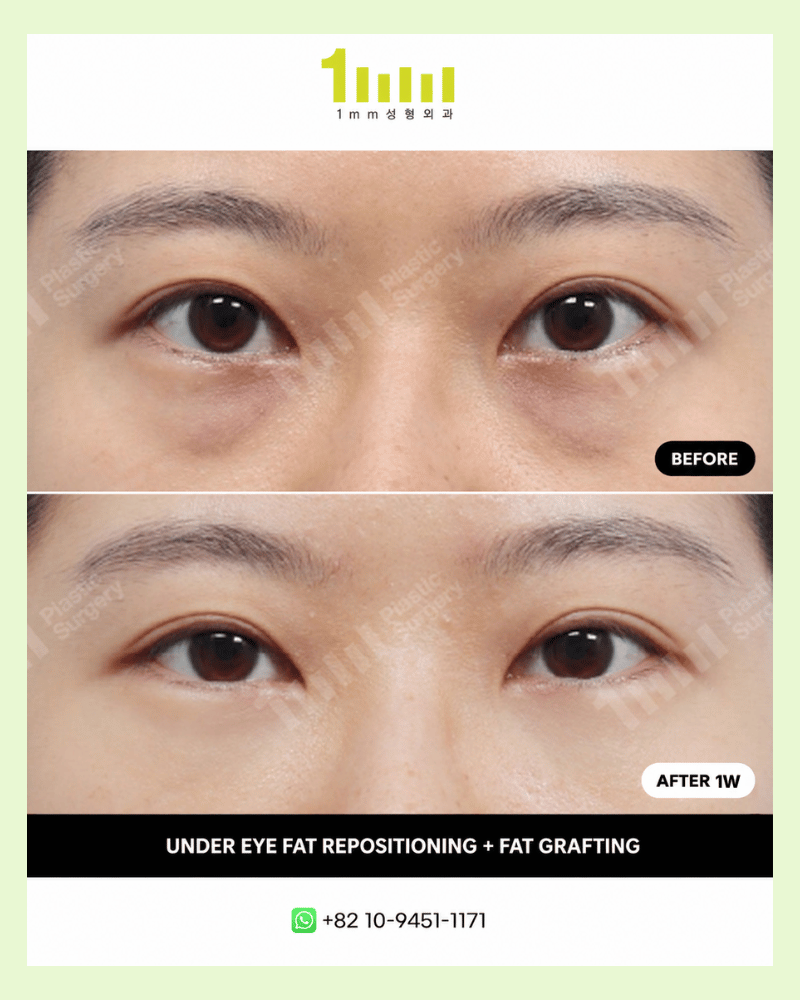
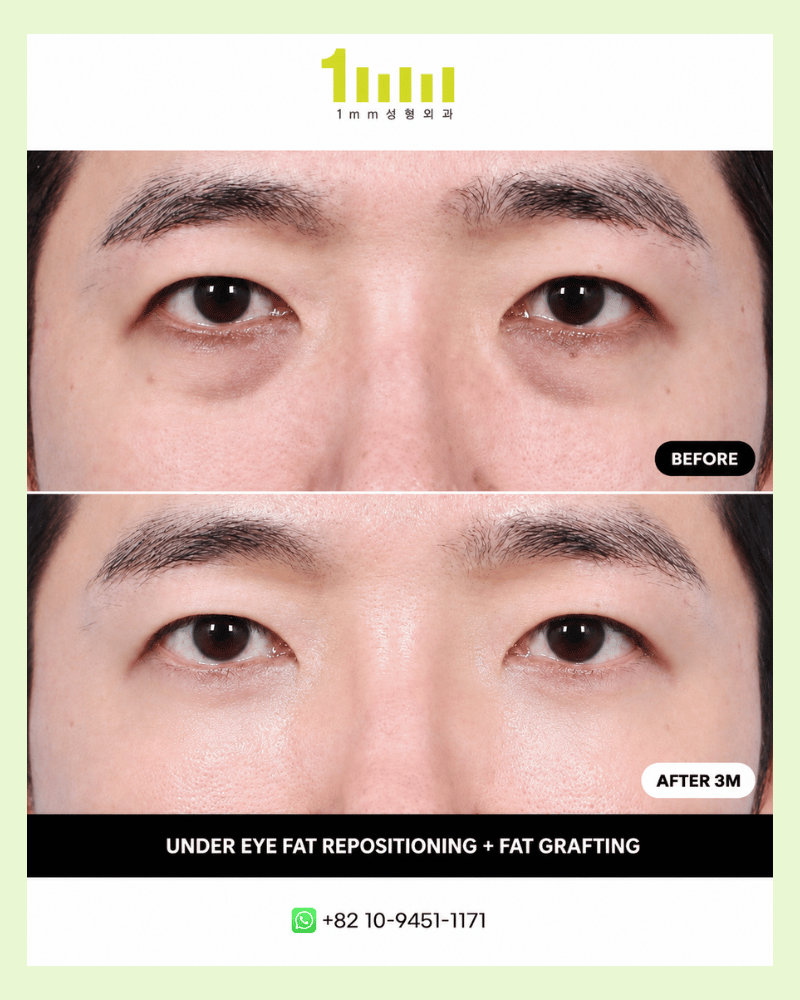
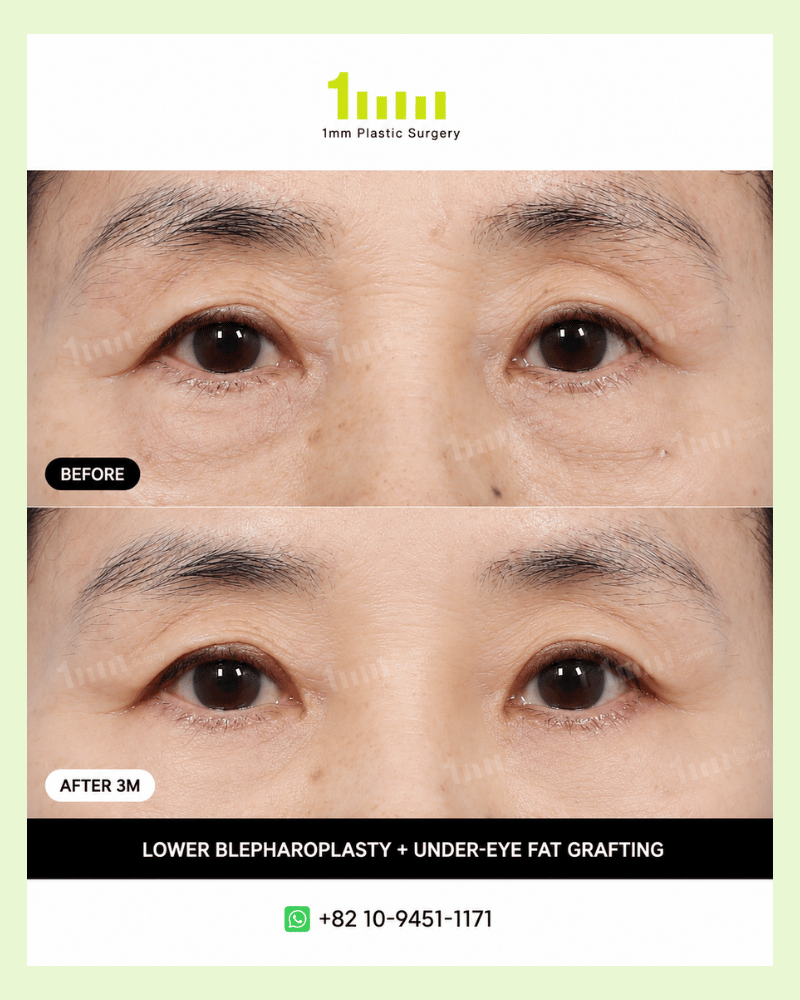
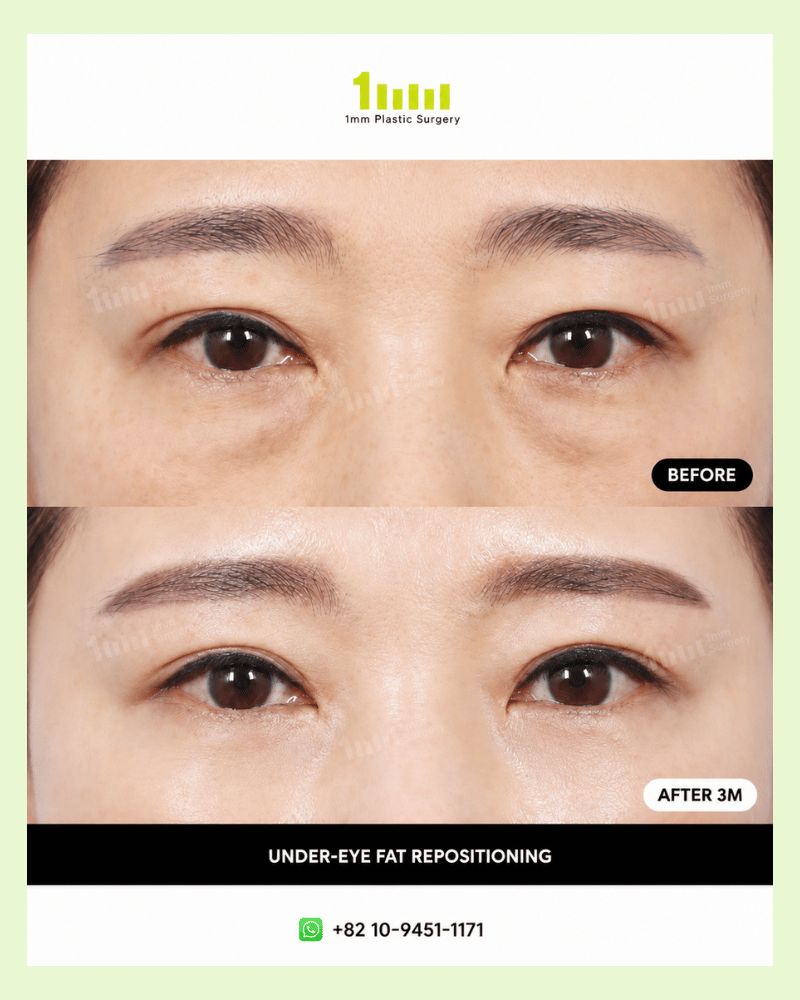
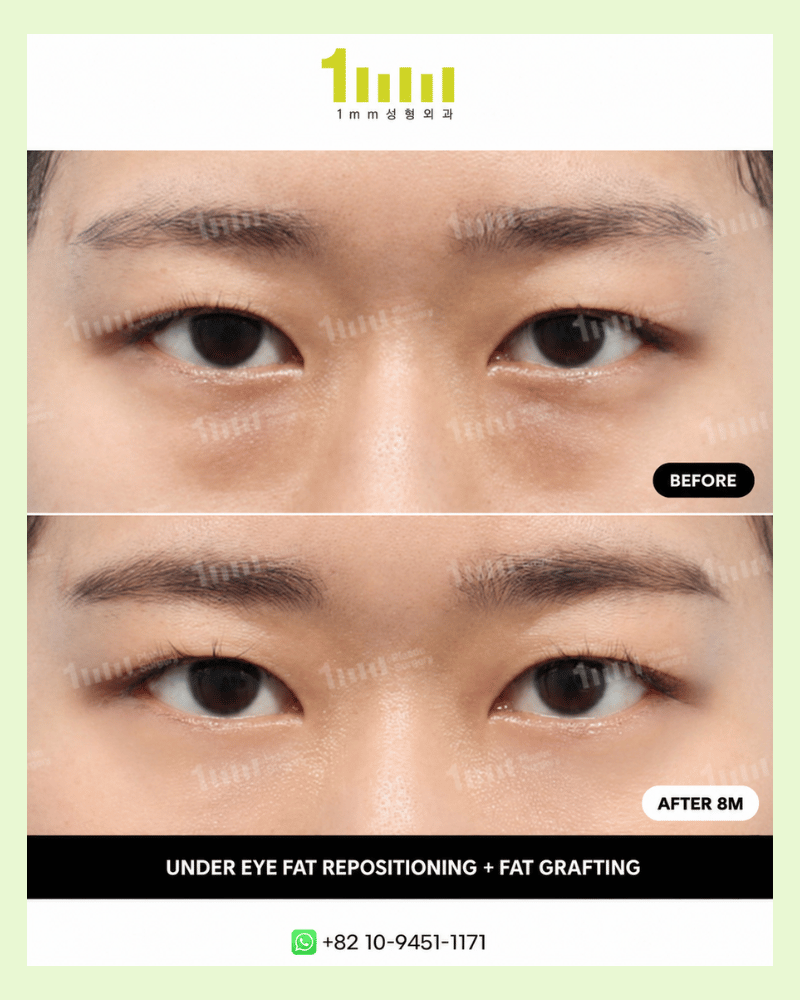
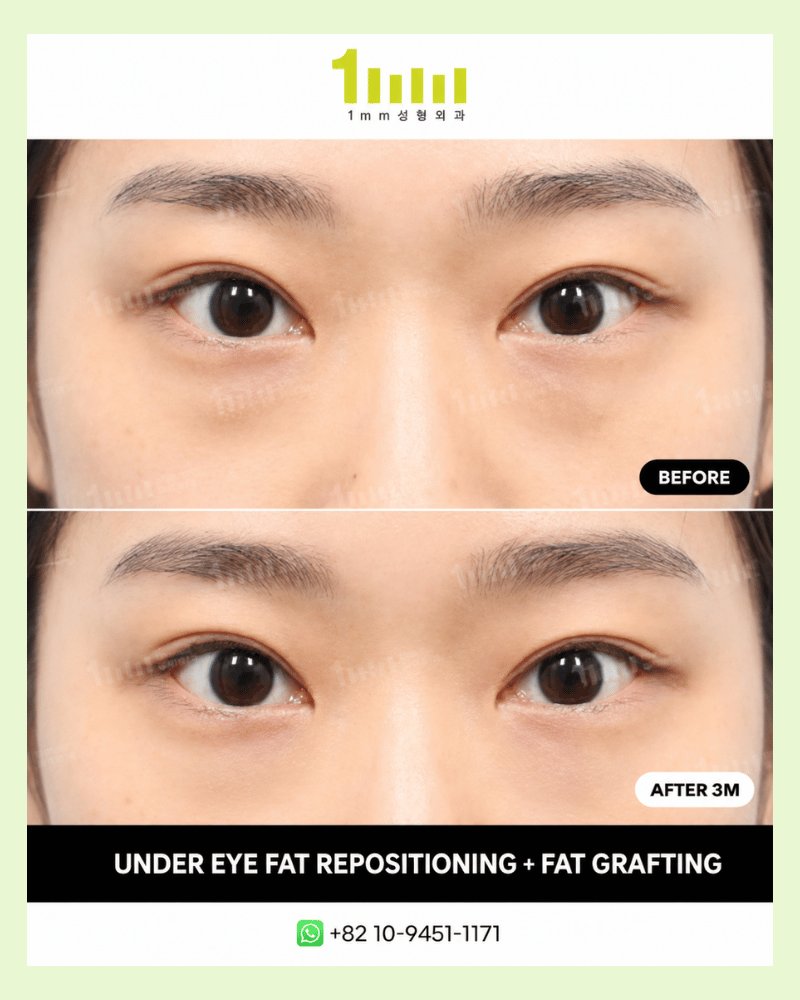
- Can I see before-and-after cases with similar eyelid structures to mine? (Reviewing past cases helps evaluate the surgeon's aesthetic style and consistency).
Red Flags to Avoid
Be cautious if you encounter any of the following during your search or initial consultation:
- Recommending Standard Blepharoplasty Alone: Trimming loose skin without addressing underlying levator muscle weakness will fail to correct ptosis and can result in high, unnatural eyelid folds.
- One-Size-Fits-All Approach: A surgeon who uses the same incision type or crease height for every patient, regardless of gender, skin thickness, or muscle strength.
- Rushed or Incomplete Muscle Testing: Skipping quantitative measurements of eyelid margin height and muscle excursion before proposing surgery.
- Guaranteeing 100% Perfect Symmetry: Eyelid anatomy naturally varies between eyes; an ethical surgeon discusses realistic millimeter symmetry goals rather than promising absolute perfection.
Estimated Cost Range in Korea
Surgeon expertise directly influences procedure pricing in top Seoul medical districts:
- Non-Incisional Ptosis Correction: $2,000 – $3,200 USD
- Incisional Ptosis Correction (with Crease Alignment): $2,500 – $4,500 USD
- Complex / Revision / Sling Ptosis Correction: $3,500 – $7,000+ USD
Why Choose Korea for Your Ptosis Surgeon?
- Oculoplastic Sub-Specialization: Surgeons in Seoul perform among the highest volumes of eyelid procedures globally, refining micro-surgical techniques for precise muscle positioning.
- Dynamic Seated Height Alignment: Korean specialists routinely check eyelid height and pupil exposure while you sit upright during local anesthesia, confirming natural balance before finalizing sutures.
- Comprehensive Global Patient Services: Leading clinics provide dedicated English-speaking medical coordinators, post-op deswelling LED light therapy, and tax refund assistance (saving ~7-8% VAT).
Final Thoughts
Finding the right surgeon requires research, verifying credentials, and asking detailed questions during your consultation. By partnering with an experienced, board-certified specialist in South Korea, you can confidently address your eyelid droop, restore clear vision, and achieve a refreshed, wide-awake gaze.
You might also like