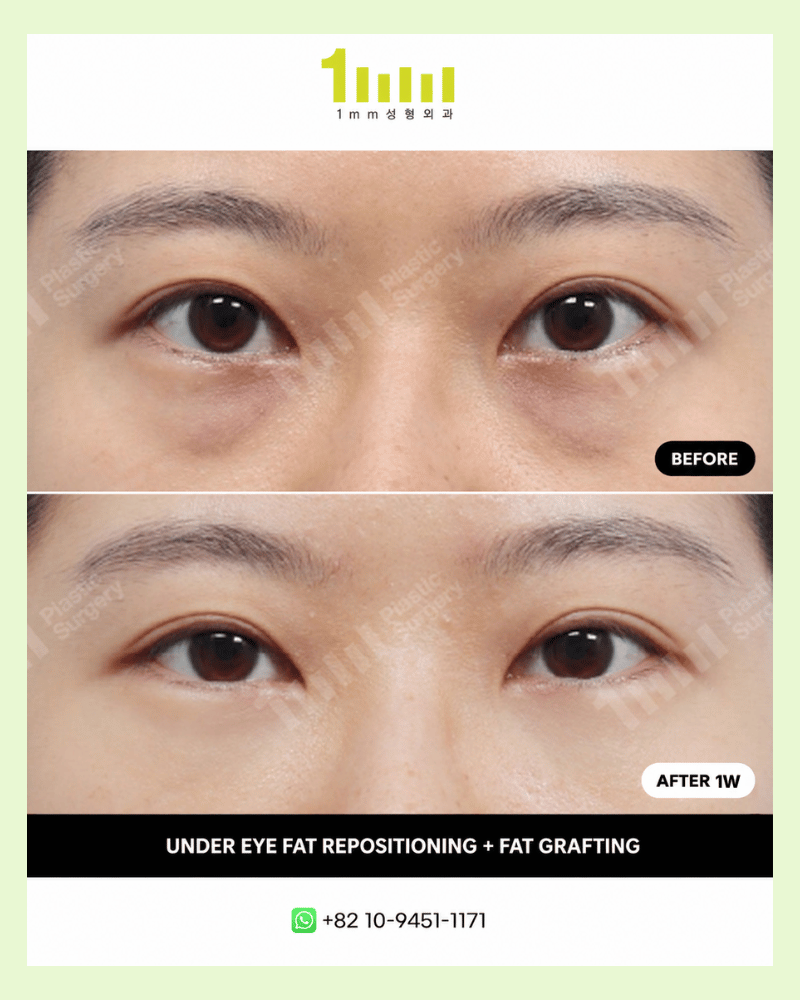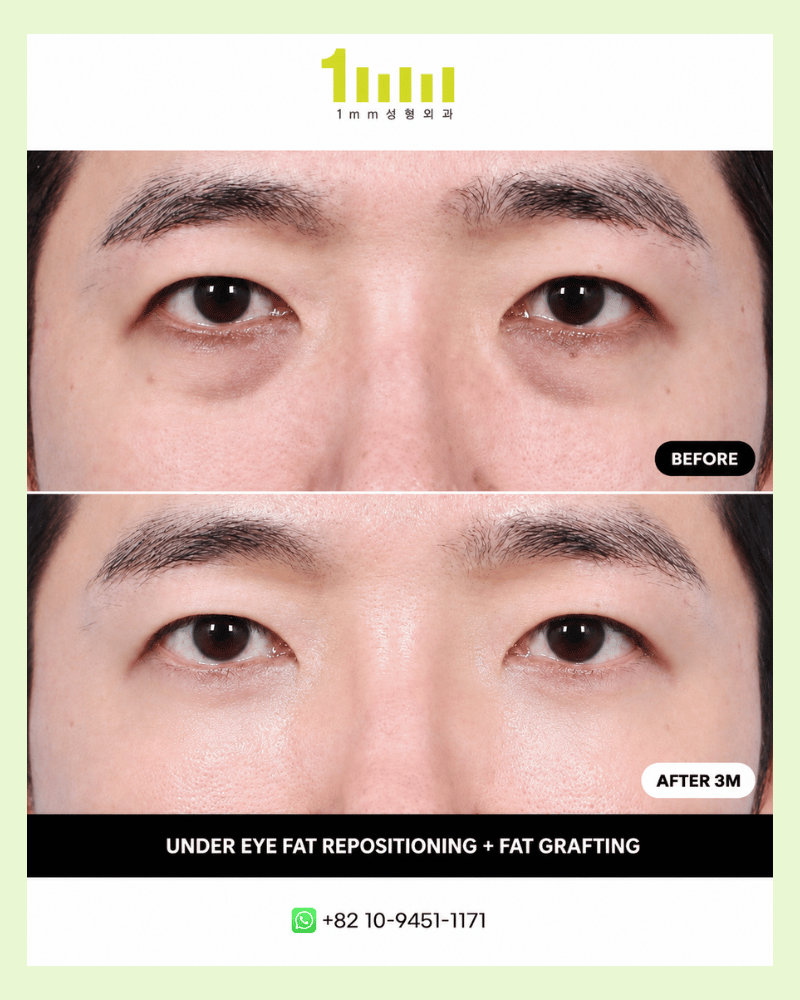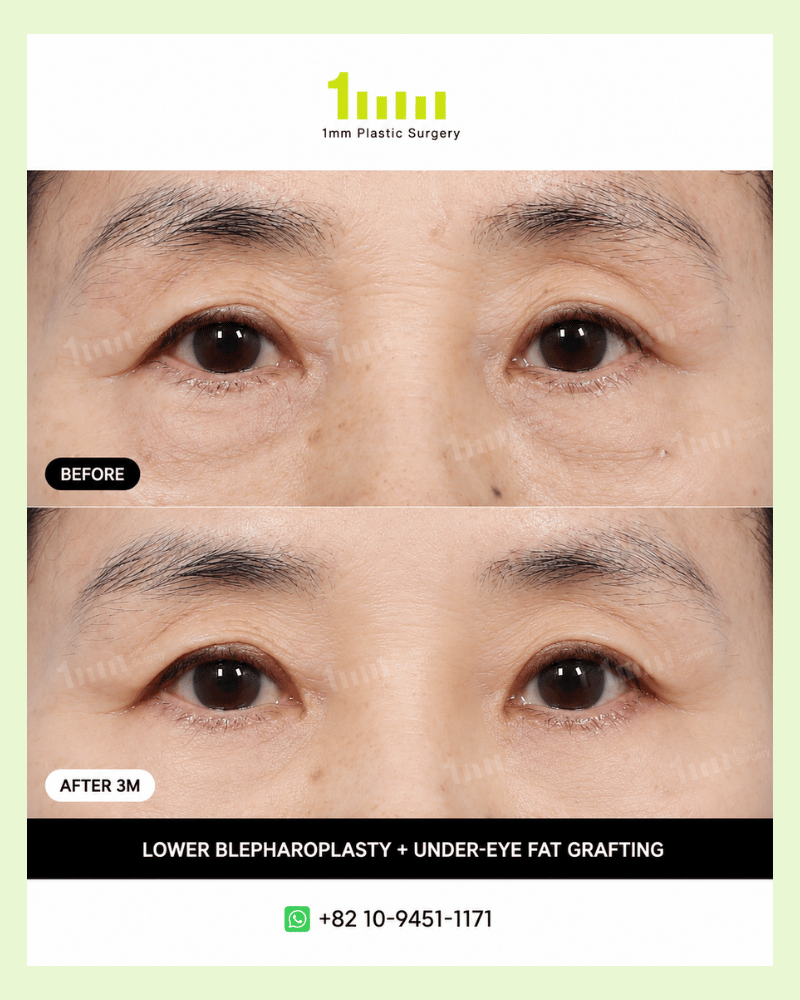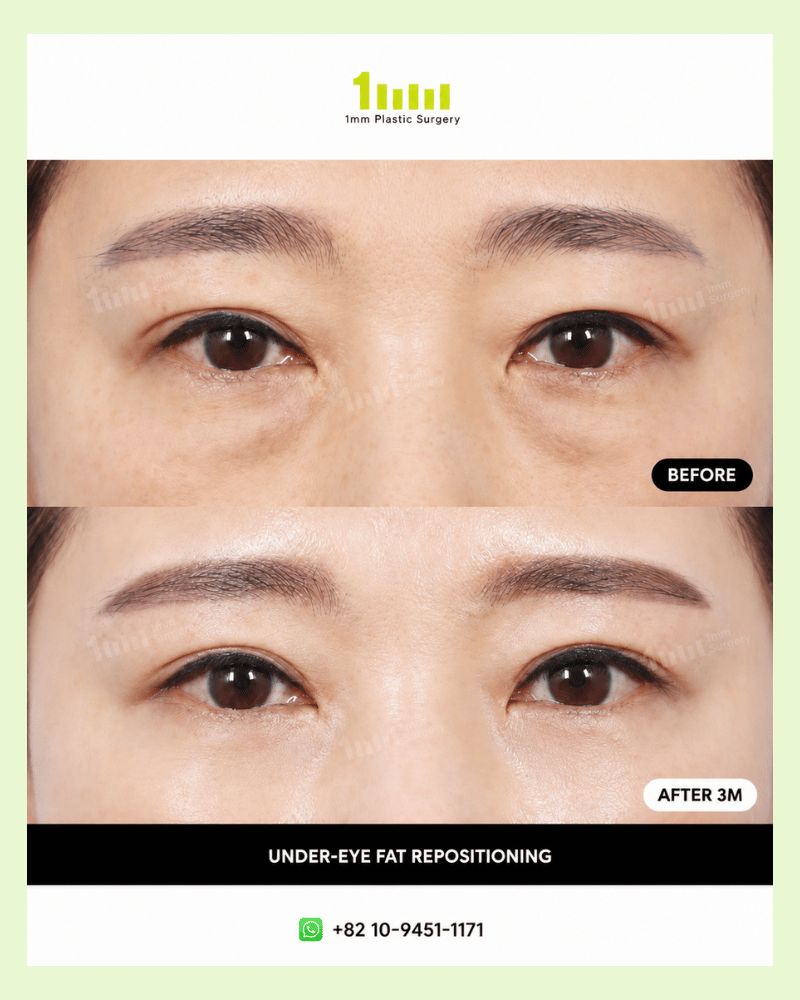
Before and After Ptosis Surgery
Understanding what to expect before and after ptosis surgery—both functionally and visually—helps set realistic expectations for your recovery, appearance, and optical clarity. Because ptosis repair targets the internal levator muscle responsible for raising the upper eyelid, the transformation goes beyond fixing a drooping eyelid to enhancing overall upper facial balance and eye comfort.
What Changes Before and After Surgery?
1. Functional & Visual Differences
- Before: The drooping eyelid margin partially or significantly covers the pupil, blocking upper and outer peripheral vision. Reading, driving, or looking upward often feels restrictive.
- After: The upper eyelid margin clears the top of the pupil, opening your line of sight and expanding your visual field.
2. Aesthetic & Expression Impact
- Before: Eyes look uneven, small, or perpetually tired. Unilateral (one-sided) ptosis creates noticeable asymmetry in photos and conversation.
- After: The affected eye achieves millimeter-exact height symmetry with the opposite eye, revealing a bright, alert, and wide-awake gaze.
3. Surrounding Facial Posture
- Before: Patients unconsciously overuse their forehead muscle (frontalis) and tilt their head back to see under the low eyelid, leading to deep horizontal forehead wrinkles and chronic tension headaches.
- After: The eyelid opens effortlessly, allowing the forehead muscles to relax. Deep forehead furrows soften, eyebrow height normalizes, and neck/brow strain subsides.
Before & After Transformation Summary
Key changes across major features before surgery versus 3 to 6 months after recovery:
- Eyelid Position:
- Before: Rest low over the pupil line.
- After: Sits 1 to 2 millimeters above the top rim of the iris.
- Pupil Exposure:
- Before: Partially or heavily obstructed.
- After: Fully exposed for clear light reflection and bright eyes.
- Symmetry:
- Before: Asymmetrical with uneven eyelid openings.
- After: Balanced, symmetrical eye contours and matching height.
- Forehead Position:
- Before: Constantly raised with furrowed, strained skin.
- After: Relaxed and smooth in a natural facial posture.
- Visual Field:
- Before: Blocked upper and peripheral sight lines.
- After: Full, unobstructed line of sight in all directions.
Timeline of Your Transformation
Immediately After Surgery (Day 1 – Day 3)
- What You See: Immediate lifting of the lid line, accompanied by expected post-operative swelling, mild tissue bruising, and slight tightness.
- Temporary Blurring: Prescribed eye ointments cause temporary blurred vision, which protects the corneal surface during early healing.
Short-Term Recovery (Week 1 – Week 3)
- Stitch Removal (Days 5–7): Superficial skin sutures are removed at the clinic.
- Rapid Swelling Reduction: By week 2 or 3, major swelling and bruising fade significantly. Most patients feel confident returning to social and professional activities around this time.
Final Settling (Month 1 – Month 6)
- Tissue Relaxation: As internal swelling resolves completely, the levator muscle settles into its natural tension line.
- Refined Crease & Symmetry: Incisions fade into the natural eyelid crease, revealing your final, stable eyelid height and balanced expression.
Preparing for Optimal Before & After Results
- Avoid Anti-Inflammatory Medication: Stop taking blood thinners, aspirin, or high-dose vitamin E for 1 to 2 weeks pre-op (as directed by your doctor) to minimize intraoperative bleeding and post-op bruising.
- Dynamic Seated Height Checks: In South Korea, surgeons verify your eyelid opening height while you sit upright during surgery to confirm precise symmetry before final stitching.
- Strict Post-Op Eye Protection: Avoid rubbing your eyes, wearing contact lenses, or applying eye makeup for 3 to 4 weeks to keep the fresh internal muscle repair securely anchored.
Estimated Cost Range in Korea
- Non-Incisional Ptosis Correction: $2,000 – $3,200 USD (Ideal for mild droop with minimal skin removal)
- Incisional Ptosis Correction (with Crease Alignment): $2,500 – $4,500 USD (Covers levator advancement, skin/fat adjustments, and crease creation)
- Revision Ptosis Surgery: $3,800 – $7,000+ USD (Addresses persistent asymmetry or under-correction from previous procedures)
Why Choose Korea for Ptosis Surgery Transformation?
- Oculoplastic Precision: Korean specialists perform high volumes of eyelid procedures annually, excelling at achieving precise height symmetry without over-tightening.
- Advanced Deswelling Care: Leading clinics across Seoul provide high-density LED light therapy and post-op care to accelerate swelling reduction and tissue regeneration.
- Comprehensive Global Care: Foreign patients benefit from fluent English coordinators, detailed post-op instructions, and easy airport tax refund assistance (saving ~7-8% VAT).
Final Thoughts
Comparing before and after outcomes shows how ptosis correction delivers both functional vision recovery and an alert, natural facial appearance. Consulting with an experienced, board-certified specialist in South Korea guarantees a precise anatomical evaluation and a surgical plan tailored to achieve a balanced, wide-awake gaze.
You might also like