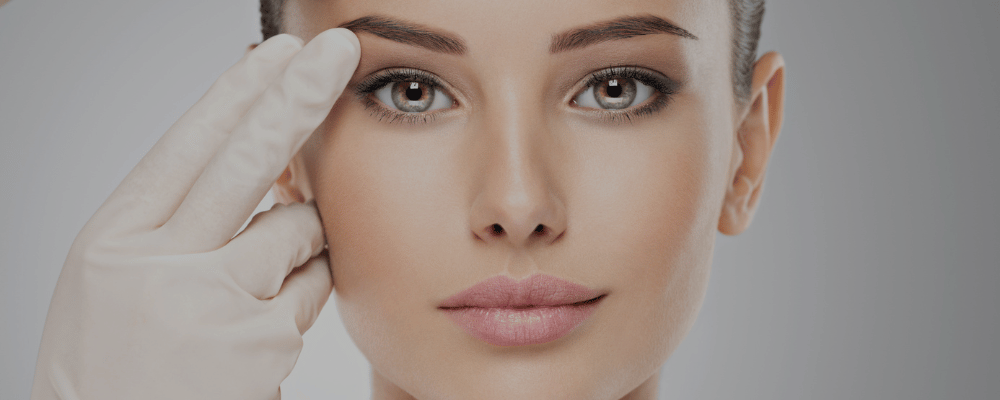
Upper Eyelid Surgery for Aging Eyes

July 21, 2026

As part of the natural aging process, the skin and muscle tissues surrounding our eyes gradually lose structural support. The upper eyelids are often among the first facial features to show visible signs of aging, manifesting as heavy folds, loss of crease definition, and a perpetually tired expression. Upper eyelid surgery (upper blepharoplasty) performed in South Korea is a premier anti-aging procedure designed to reverse these structural changes and restore a refreshed, youthful gaze.


How Aging Affects the Upper Eyelids

Understanding the specific biological changes that occur over time helps explain why upper eyelid surgery is so effective for mature eyes.

  • Depletion of Collagen and Elastin: As skin elasticity breaks down, loose eyelid skin stretches and drapes downward over the lash line (dermatochalasis).
  • Orbital Fat Repositioning: The thin fascial barrier (orbital septum) that holds protective fat pads in place weakens with age, allowing underlying fat to bulge forward or create uneven hooding.
  • Eyebrow and Forehead Descent: Age-related volume loss in the upper face causes the eyebrows to drop slightly, pushing healthy upper eyelid skin even lower over the eyes.
  • Weakening Eyelid Elevator Muscles: The levator muscle responsible for lifting the eyelid can stretch or detach over time, leading to low-hanging lids (ptosis) alongside loose skin.


Key Benefits for Mature Eyes

Undergoing upper eyelid surgery to address age-related tissue changes offers significant rejuvenation and practical advantages:

  • Restores an Alert, Energetic Expression: Trims away heavy, overlapping skin folds that create a sad, tired, or aged look.
  • Reclaims Obstructed Sight: Clears overhanging skin that blocks the upper and outer peripheral visual fields, making daily sight clearer and brighter.
  • Alleviates Brow Strain and Headaches: Reduces the unconscious habit of raising your eyebrows and crinkling your forehead just to keep your eyelids lifted.
  • Smooths Eyelid Contour for Makeup: Creates a clean, smooth surface that makes applying eye products effortless without smudging or transferring.


The Treatment Process

Upper eyelid surgery for aging eyes is an outpatient procedure performed under local anesthesia with light sedation.

  1. Precision Marking & Measurement: While you sit comfortably upright, the surgeon uses micro-calipers to measure the exact amount of loose skin to excise, ensuring your eyelids close naturally and symmetrically post-surgery.
  2. Excision & Fat Sculpting: A delicate incision is placed along the natural crease line. The surgeon excises the pre-measured strip of aging skin, sculpts or repositions bulging fat pads, and tightens underlying structures if needed.
  3. Fine Suturing: Ultra-fine sutures close the incision, anchoring the skin to create a firm, well-defined upper lid line.
  4. Stitch Removal & Recovery Check: Patients return to the clinic roughly 5 to 7 days after surgery to have stitches removed and evaluate early tissue healing.


Precautions & Aftercare

Following post-operative recovery steps helps delicate, mature skin heal cleanly with minimal scarring.

  • Cold Compresses (First 48 Hours): Apply gentle cold ice packs over your eyes to restrict blood vessels and control initial swelling and bruising.
  • Warm Compresses (Day 4 Onward): Switch to warm therapy to stimulate local blood circulation and encourage stagnant fluid and bruising to dissipate.
  • Avoid Physical Strain: Refrain from rubbing your eyes, wearing contact lenses, or applying eye makeup for at least two to three weeks to protect the healing incision line.
  • Elevated Sleeping Position: Rest with your head elevated higher than your chest using extra pillows during the first week to prevent morning fluid buildup around the eyes.


Estimated Cost Range

Pricing reflects the surgical scope, tissue excision, and anatomical complexity required for mature eyelid rejuvenation:

  • Standard Upper Blepharoplasty for Aging Eyes: $2,000 – $3,500 USD (Covers skin excision, fat sculpting, and routine post-op evaluations)
  • Complex Rejuvenation with Ptosis Repair: $2,800 – $4,500 USD (Combines skin removal with levator muscle tightening for age-related muscle weakness)


Why Choose Korea for Anti-Aging Eyelid Surgery?

South Korea is globally recognized as a leader in facial plastic and oculoplastic surgery, offering unmatched surgical volume and refined techniques.

  • Conservative, Volume-Preserving Approach: Korean specialists avoid overly aggressive fat removal, preventing a hollowed, sunken look and preserving soft, natural volume for a youthful outcome.
  • Micro-Surgical Scar Concealment: Incisions are placed precisely inside natural fold contours, utilizing micro-suturing techniques so scars fade into virtually invisible lines.
  • Comprehensive Global Patient Support: Premier clinics across Seoul provide dedicated English-speaking coordinators, post-op deswelling light therapies, and easy administrative care for international travelers.


Final Thoughts

Addressing age-related upper eyelid sagging through upper blepharoplasty is a safe, highly rewarding way to refresh your face and restore clear visual comfort. By consulting with an experienced, board-certified plastic surgeon in South Korea, you can achieve a natural, youthful, and long-lasting result tailored to your unique anatomical needs.

You might also like
July 21, 2026
Upper eyelid surgery (upper blepharoplasty) is a highly versatile procedure that addresses both aesthetic concerns and physical discomfort caused by drooping upper eyelid tissue. Whether motivated by age-related skin sagging, genetic eyelid structure, or functional vision blockages, identifying whether you are an ideal candidate is the first step toward a safe and successful outcome in South Korea. What Makes an Ideal Candidate? An optimal candidate for upper blepharoplasty generally exhibits specific anatomical indicators alongside good overall health and realistic expectations. Sufficient Upper Eyelid Laxity: Individuals with excess, sagging, or overhanging skin fold on the upper eyelid that obscures the natural eyelash line or creates a heavy, tired appearance. Stable Eyebrow Position: Patients whose primary concern is loose eyelid skin rather than severely dropped eyebrows (which may require a brow lift instead). Clear Functional or Aesthetic Goals: Individuals seeking to open up their visual field, reduce forehead strain, define an eyelid crease, or refresh a perpetually tired gaze. Good Physical & Ocular Health: Candidates without active eye infections, uncontrolled dry eye syndrome, or unmanaged systemic conditions (such as uncontrolled hypertension or diabetes) that could impair healing. Key Signs You May Need Upper Blepharoplasty Many candidates experience a combination of visual, physical, and aesthetic changes that signal it is time to consider surgery: Heavy Hooded Eyelids: Excess skin drapes down over the upper lid, swallowing the natural crease or hanging over the lashes. Obstructed Peripheral Vision: Sagging skin folds block the upper or outer side fields of sight, making reading, driving, or looking up difficult. Persistent Forehead Fatigue: Chronic eyebrow raising and forehead crinkling caused by an unconscious effort to keep low-hanging eyelids lifted. Asymmetrical Eyelid Folds: Uneven skin sagging between the left and right eyes, causing noticeable asymmetry in eye size or shape. Makeup Smudging & Irritation: Eyeliner and eyeshadow constantly transfer or smudge due to skin-on-skin friction over the eyelid fold. Aesthetic vs. Functional Candidates Understanding whether your needs are aesthetic, functional, or both helps tailor the surgical approach. Aesthetic Candidates: Typically younger to middle-aged individuals looking to define a crisp eyelid crease, smooth out localized fat bulges, or restore a youthful, refreshed upper orbital contour. Functional Candidates: Often older adults or individuals with severe dermatochalasis where heavy skin folds physically impair vision, cause eyelash inversion, or trigger persistent tension headaches. Evaluating Your Brow & Eyelid Relationship A crucial part of candidacy evaluation is distinguishing between upper eyelid laxity and brow descent (brow ptosis). Primary Eyelid Laxity: If manually lifting the loose skin above the eyelashes clears the hooding while your eyebrow remains at a normal height, you are a primary candidate for upper blepharoplasty. Secondary Hooding (Brow Ptosis): If your eyebrows sit below the upper rim of the eye socket, the heavy eyelid skin may actually be pushed down by a sagging brow. In such cases, a brow lift or a combined procedure yields the best anatomical balance. The Evaluation Process Anatomical Consultation: The surgeon evaluates eyelid skin elasticity, underlying fat distribution, eyelid muscle strength (levator function), and brow height while you sit upright. Ocular Health Check: Screening for dry eye symptoms, tear production quality, and previous eye surgeries to ensure safe healing. Customized Surgical Design: Precise measurement and marking of the exact millimeter of excess skin to excise for balanced, symmetrical closure. Estimated Cost Range Surgical costs vary based on the complexity of the procedure and whether functional muscle repair is required: Standard Upper Blepharoplasty: $1,500 – $3,500 USD (Covers excess skin removal, orbital fat pad sculpting, and routine follow-up care) Functional Blepharoplasty with Ptosis Repair: $2,500 – $4,500 USD (Combines skin excision with levator muscle tightening for weak eyelids) Why Choose Korea for Upper Eyelid Surgery? Precise Anatomical Diagnosis: Korean specialists carefully analyze the interaction between your brows, eyelid muscles, and skin structure to recommend the exact procedure you need without unnecessary surgery. Micro-Surgical Precision: Surgeons use advanced micro-suturing and volume-preserving techniques to deliver natural, non-over-tightened results. Tailored Ethnic Expertise: High surgical volume allows Korean doctors to seamlessly customize double eyelid creation or anti-aging lifts according to each patient's unique facial harmony.  Final Thoughts Determining if you are a good candidate for upper blepharoplasty involves assessing your skin elasticity, brow position, and vision clarity. Consulting with an experienced, board-certified plastic surgeon in South Korea ensures an accurate anatomical evaluation and a surgical plan tailored to achieve a safe, wide-awake, and long-lasting result.
July 21, 2026
Concern over visible scarring is one of the most common questions patients have when considering upper eyelid surgery (upper blepharoplasty). Because the skin around the eyes is among the thinnest on the human body, it possesses remarkable healing potential. When performed by experienced specialists in South Korea, upper blepharoplasty incisions are strategically hidden within natural eyelid folds, fading over time into virtually invisible lines. Where Are Upper Blepharoplasty Incisions Placed? The key to seamless scar concealment lies in precise surgical placement aligned with your natural facial anatomy. Hidden Within the Natural Crease: The primary incision is placed directly inside the natural upper eyelid fold. When your eyes are open, the scar is completely buried within the crease and invisible to others. Tucked into Outer Corner Folds: For patients requiring extensive skin removal at the outer corners (crow's feet area), the incision line extends slightly outward, carefully following a natural smile line or lateral skin fold. Sub-Ciliary Options: In cases where no double eyelid crease is desired, surgeons place the incision along the subtle lash margin line to blend with the natural eyelash base. The Scar Healing Timeline Understanding how upper eyelid scars evolve helps set realistic expectations throughout the healing process. Weeks 1 to 2 (Early Healing): Immediately after stitch removal (around day 5 to 7), the incision appears as a thin, pink line. Minor swelling or slight firmness along the seam is completely normal. Weeks 3 to 6 (Tissue Maturation): The incision line may feel slightly elevated or slightly red as collagen remodels beneath the skin. Applying surgeon-approved scar gels during this stage supports smooth softening. Months 2 to 3 (Fading Phase): Pinkness noticeably fades to a soft flesh tone, and the incision seam flattens out, blending smoothly into surrounding skin texture. Months 6 to 12 (Final Result): The scar reaches full maturity, settling as a paper-thin, faint white line hidden securely inside your natural fold. Factors That Influence Scar Quality While surgical technique is paramount, several personal and post-operative factors affect how cleanly your incision line heals. Surgical Precision & Suturing: Micro-surgical techniques using ultra-fine suture materials minimize tissue tension and prevent hatch-mark scarring. Individual Skin Elasticity & Pigmentation: Darker skin tones or skin prone to hyperpigmentation require careful post-op sun protection to prevent temporary darkening along the line. Strict Avoidance of Rubbing: Tugging or rubbing your eyelids during early healing stretches the delicate incision line, potentially widening the final scar. Consistent Sun Protection: UV exposure on a fresh surgical line can cause post-inflammatory hyperpigmentation, making the scar darker and more noticeable. Precautions & Scar Management After Surgery Following a dedicated scar prevention routine ensures your incision heals into a barely perceptible mark. Cold & Warm Therapy Balance: Use cold packs for the first 48 hours to minimize swelling tension, then transition to warm compresses after a few days to boost local blood circulation. Apply Recommended Scar Gels: Once stitches are removed and the skin seam is fully closed, apply medical-grade silicone scar gel daily to keep the tissue hydrated and flat. Wear UV Protection: Wear broad-spectrum sunscreen and UV-blocking sunglasses outdoors for at least three to six months post-procedure. Post-Op Light Therapy: Top Korean clinics utilize specialized LED light treatments during follow-up visits to stimulate rapid skin regeneration and reduce incision redness. Estimated Cost Range Comprehensive scar care, stitch removal, and post-op light therapy are typically included in primary surgical packages in South Korea: Standard Upper Blepharoplasty: $1,500 – $3,500 USD (Covers primary surgery, precise micro-suturing, stitch removal, and basic post-op deswelling care) Revision Blepharoplasty (For Scar Correction): $3,500 – $6,000+ USD (Addresses prominent, asymmetrical, or thick scarring from a previous surgery) Why Choose Korea for Minimal Scarring? Micro-Surgical Suturing Expertise: Korean specialists perform high volumes of delicate eyelid surgeries, mastering ultra-fine suturing methods that eliminate stitch marks. Anatomical Crease Design: Surgeons precisely calculate skin tension and crease height so the incision line rests seamlessly inside your natural fold without pulling. Advanced Post-Op Care Infrastructure: Premier clinics across Seoul provide complete post-operative care, including high-density LED light treatments and specialized ointments to optimize scar fading.  Final Thoughts Upper blepharoplasty scars heal extraordinarily well due to the eyelid's rich blood supply and thin skin structure. By choosing a board-certified plastic surgeon in South Korea and adhering to proper post-operative scar care, you can enjoy an open, refreshed gaze with virtually unnoticeable incision lines.
July 21, 2026
Upper blepharoplasty (upper eyelid surgery) is widely considered one of the longest-lasting facial rejuvenation procedures available. For most patients, the primary results of upper blepharoplasty last 10 to 15 years , and in many cases, patients only need to undergo the procedure once in their lifetime. Understanding the longevity of the results—and how natural aging continues over time—helps set realistic expectations for your surgical investment. Why Upper Blepharoplasty Results Are Long-Lasting The long-term success of upper eyelid surgery stems from the permanent structural changes made during the procedure. Permanent Removal of Excess Skin: Once the loose, sagging skin fold is trimmed away, that specific tissue cannot grow back. Permanent Fat Repositioning or Removal: Bulging fat pads that create heavy hooding are excised or repositioned. Because fat cells in the upper eyelid do not regenerate, the puffiness is permanently reduced. Stable Structural Anchoring: Korean plastic surgeons secure the newly defined fold to deeper muscular tissues, ensuring a stable crease that holds its shape for years. How Aging Affects Your Results Over Time While upper blepharoplasty resets the clock on upper eyelid aging, it does not stop the natural aging process altogether. Continued Skin Elasticity Loss: Over the course of a decade or more, the remaining eyelid skin will gradually lose collagen and elasticity, which may eventually lead to mild, soft tissue relaxation. Brow and Forehead Descent: In some cases, future hooding is not caused by the eyelid itself, but by the natural downward shift of the forehead and eyebrows over 10 to 15 years. Individual Aging Factors: Genetics, sun exposure, skin thickness, and lifestyle habits play a major role in how slowly or quickly your upper face ages after surgery. How to Extend the Longevity of Your Results Following good skin health and post-operative habits helps maintain your firm, open eyelid contour for as long as possible. Consistent Daily Sun Protection: Wear broad-spectrum sunscreen and UV-blocking sunglasses to prevent UV radiation from breaking down collagen around the delicate upper lid area. Gentle Skin Care Habits: Avoid aggressive rubbing or tugging on your eyelids when applying makeup, cleansing, or removing contact lenses. Maintain Healthy Skin Hydration: Keep the upper orbital skin nourished with lightweight, hydrating eye serums to maintain elasticity. Non-Surgical Touch-Ups: Non-invasive treatments like laser skin tightening or subtle brow-lifting therapies can help preserve your open gaze as the years go on. Will You Ever Need a Second Surgery? For the vast majority of patients who undergo primary upper blepharoplasty in their 40s or 50s, a second surgery is rarely needed. If a patient undergoes the procedure at a very young age or experiences significant age-related brow descent decades later, a secondary procedure—such as a subtle touch-up or a brow lift—may be considered to restore the brow-eyelid relationship. Why Choose Korea for Long-Lasting Eyelid Surgery? Advanced Anchoring Techniques: Korean oculoplastic specialists utilize advanced internal suturing methods that anchor the crease securely without causing harsh, artificial scarring. Anatomical Precision: Korean surgeons carefully calculate skin tension and brow height to ensure skin removal is neither under-done nor over-tightened, delivering long-lasting, natural harmony. Comprehensive Care Infrastructure: Premier clinics across Seoul provide complete post-op care, including LED light therapies and expert follow-up evaluations to support optimal tissue healing.  Final Thoughts Upper blepharoplasty provides a dramatic, long-lasting transformation, turning back the clock by 10 to 15 years. By consulting with an experienced, board-certified plastic surgeon in South Korea, you can enjoy a refreshed, wide-awake gaze that gracefully withstands the test of time.

Book a Service Today