Upper Blepharoplasty for Asian Eyes
Upper blepharoplasty for Asian eyes—often discussed alongside double eyelid surgery or specialized anti-aging lid lifts—requires a deep understanding of unique ethnic eyelid anatomy. Performed with exceptionally high frequency and skill in South Korea, this procedure addresses drooping skin, fat repositioning, or crease definition while preserving authentic Asian eye characteristics.
What Is Upper Blepharoplasty for Asian Eyes & Benefits
Asian upper eyelid structure typically features a thicker skin layer, a lower or absent levator aponeurosis attachment (which creates a single eyelid or mono-lid), and fuller sub-orbicularis fat pads. Upper blepharoplasty for Asian eyelids tailored for aging or hooding focuses on removing excess loose skin while respecting these anatomical traits.
Opting for an ethnically tailored upper blepharoplasty provides key functional and aesthetic advantages:
- Preserves Natural Ethnic Identity: Refreshes and opens the gaze without creating an artificially deep, unnatural Westernized crease.
- Clears Overhanging Hooded Skin: Trims heavy skin folds that conceal the eyelash line or block outer peripheral sight.
- Defines or Maintains a Subtle Crease: Creates a clean, stable low crease or cleans up a drooping existing double eyelid fold.
Unique Anatomical Considerations for Asian Eyelids
Achieving a natural outcome requires a customized surgical approach that respects specific structural elements.
- Lower Crease Height Preference: Asian upper eyelid creases sit naturally lower (typically 4mm to 7mm above the lash line) compared to Western eyes (8mm to 10mm+). Setting the crease too high can create a hollow, swollen appearance known as the "sausage effect."
- Epicanthal Fold Harmony: The inner corner fold (epicanthal fold) influences crease flow. Surgeons carefully align the new incision line to form either an in-fold (starting inside the corner) or a subtle parallel fold that suits the patient's orbital bone structure.
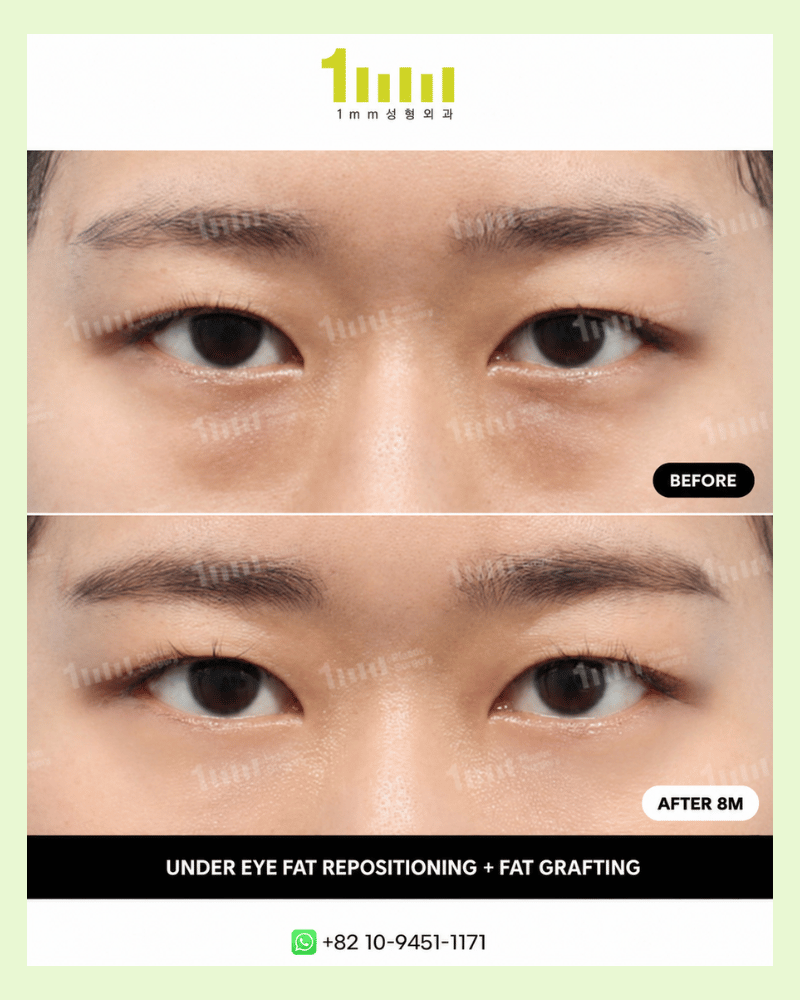
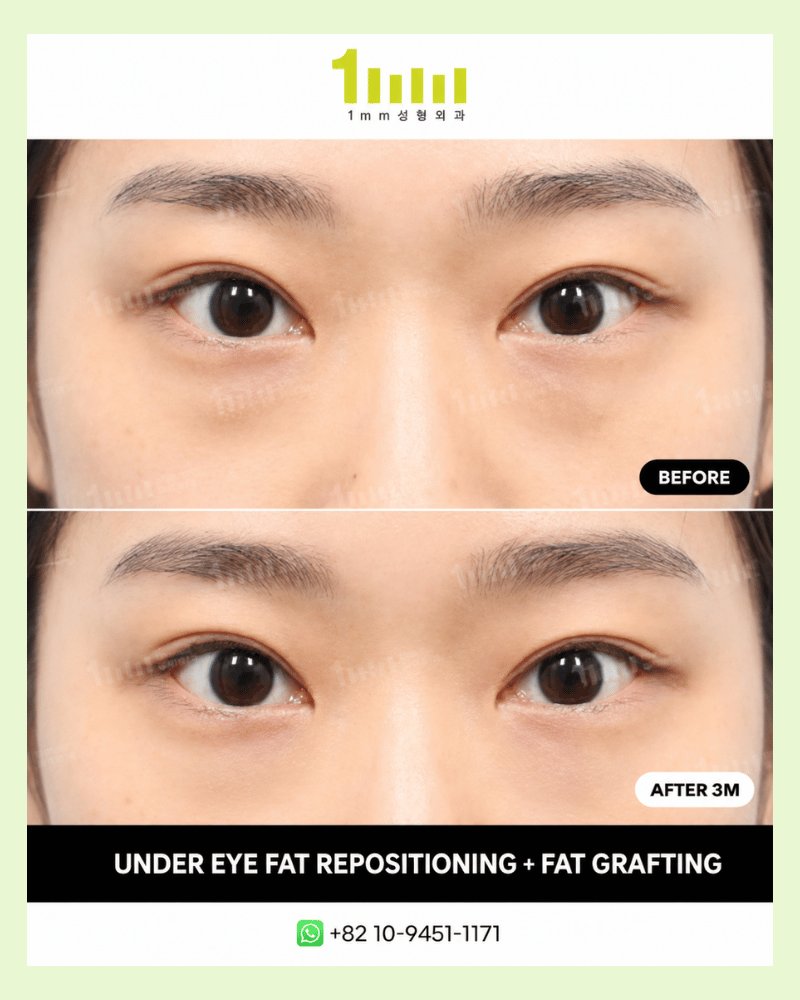
- Fuller Orbital Fat Distribution: Asian eyes often have lower-positioned pre-aponeurotic fat pads. Surgeons focus on carefully repositioning or conservatively sculpting fat rather than aggressive removal to prevent a premature hollowed look.
The Treatment Process
Asian upper blepharoplasty is an outpatient procedure performed under local anesthesia with light sedation.
- Pre-Operative Crease Simulation: While you sit upright, the surgeon uses a fine probe to simulate different crease heights and measure the exact millimeter of excess drooping skin to excise.
- Precision Incision & Tissue Adjustment: A delicate incision is placed along the low proposed crease line. Redundant skin is excised, excess fat is sculpted or repositioned, and fine structural connections are made to secure a subtle fold.
- Micro-Suturing: The surgeon carefully closes the incision using ultra-fine sutures anchored to the underlying tissue to ensure a clean fold that opens and closes naturally.
- Stitch Removal: Superficial skin stitches are removed roughly 5 to 7 days post-procedure at the clinic.
Precautions & Aftercare
Adhering strictly to recovery protocols protects the fine suture lines and ensures the new crease settles smoothly.
- Cold Compresses: Apply cold packs gently over the eyelids for the first 48 hours to restrict blood vessels and control immediate tissue swelling.
- Warm Compresses (Day 4 Onward): Switch to warm therapy to boost local blood circulation, helping residual bruising and fluid retention dissipate.
- Avoid Eye Strain & Friction: Do not rub your eyelids, wear contact lenses, or apply eye makeup for at least two to three weeks to avoid pulling on the fresh crease line.
- Elevated Sleeping Angle: Sleep with your head elevated higher than your chest using extra pillows during the first week to minimize morning fluid buildup around the eyes.
Estimated Cost Range
Surgical pricing reflects the surgical expertise and tissue sculpting required for specialized Asian eyelid rejuvenation:
- Standard Asian Upper Blepharoplasty: $2,000 – $3,500 USD (Focuses on skin excision, fat sculpting, and low crease definition)
- Complex Asian Blepharoplasty with Ptosis Repair: $2,800 – $4,500 USD (Combines skin removal and crease design with levator muscle tightening for weak eyelids)
Why Choose Korea for Asian Upper Blepharoplasty?
South Korea is the global capital for Asian eyelid surgery, offering unmatched surgical volume, anatomical research, and refined techniques.
- Mastery of Natural Asian Eye Aesthetics: Korean specialists perform thousands of Asian eyelid procedures annually, specializing in low, clean creases that harmonize perfectly with Asian facial features.
- Advanced Micro-Suturing & Scar Concealment: Surgeons place incisions precisely within natural fold contours, utilizing micro-suturing techniques so incision lines fade into faint, hidden marks.
- Comprehensive Global Care Systems: Leading clinics in Seoul feature fluent English coordinators, advanced post-op deswelling light therapies, and easy administrative assistance for international patients.
Final Thoughts
Upper blepharoplasty for Asian eyes requires a delicate balance between functional skin removal and respectful aesthetic preservation. By consulting with an experienced, board-certified oculoplastic or plastic surgery specialist in South Korea, you can safely eliminate heavy upper eyelid hooding and achieve a wide-awake, natural, and beautifully refreshed gaze.
You might also like