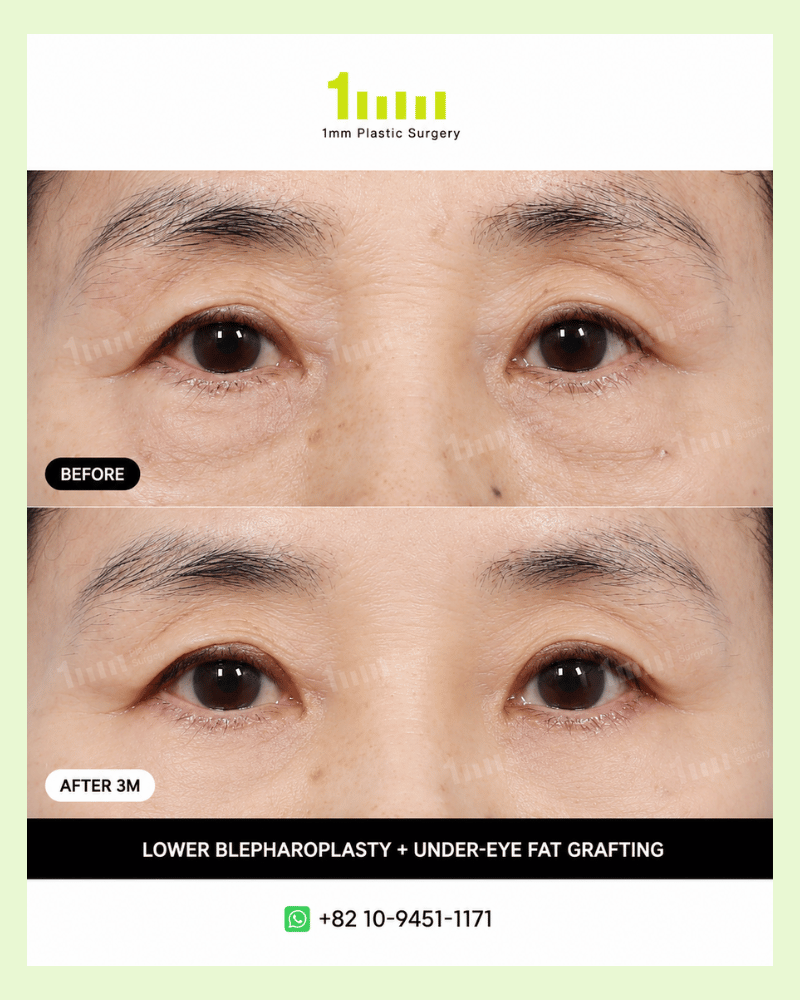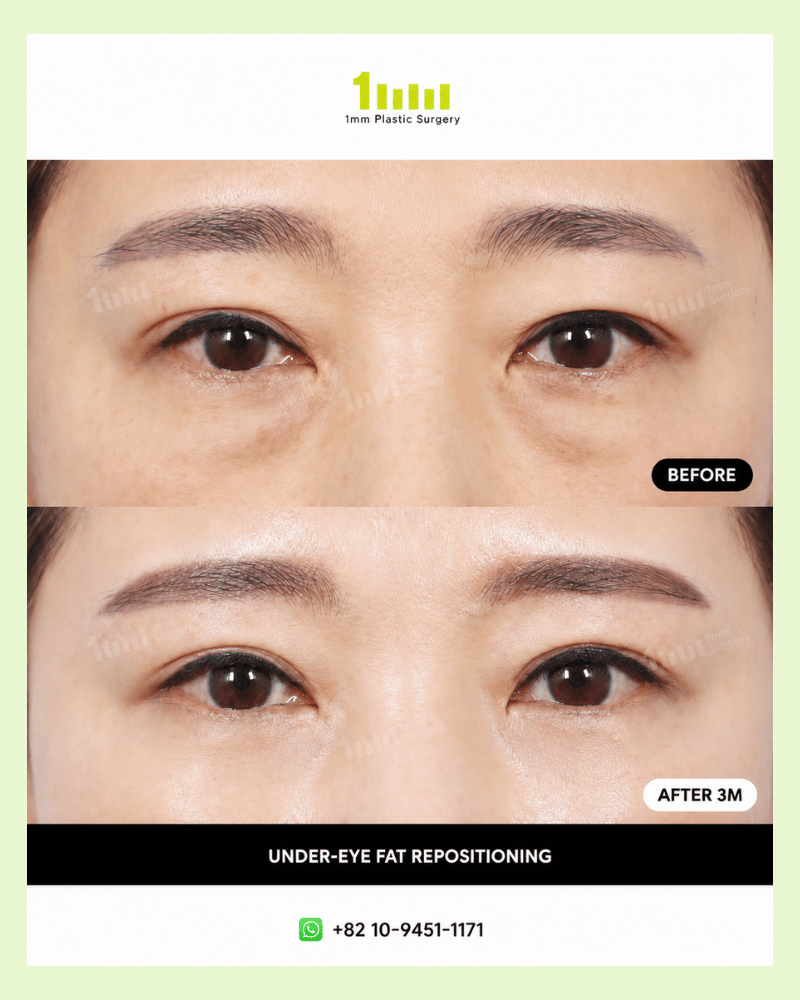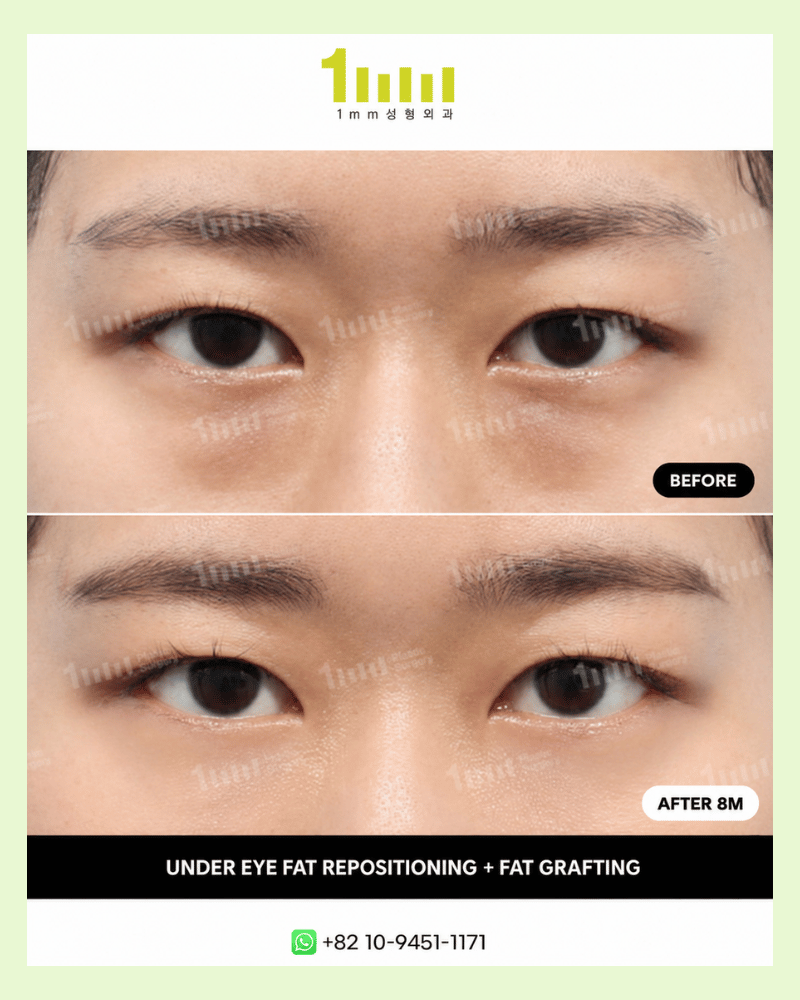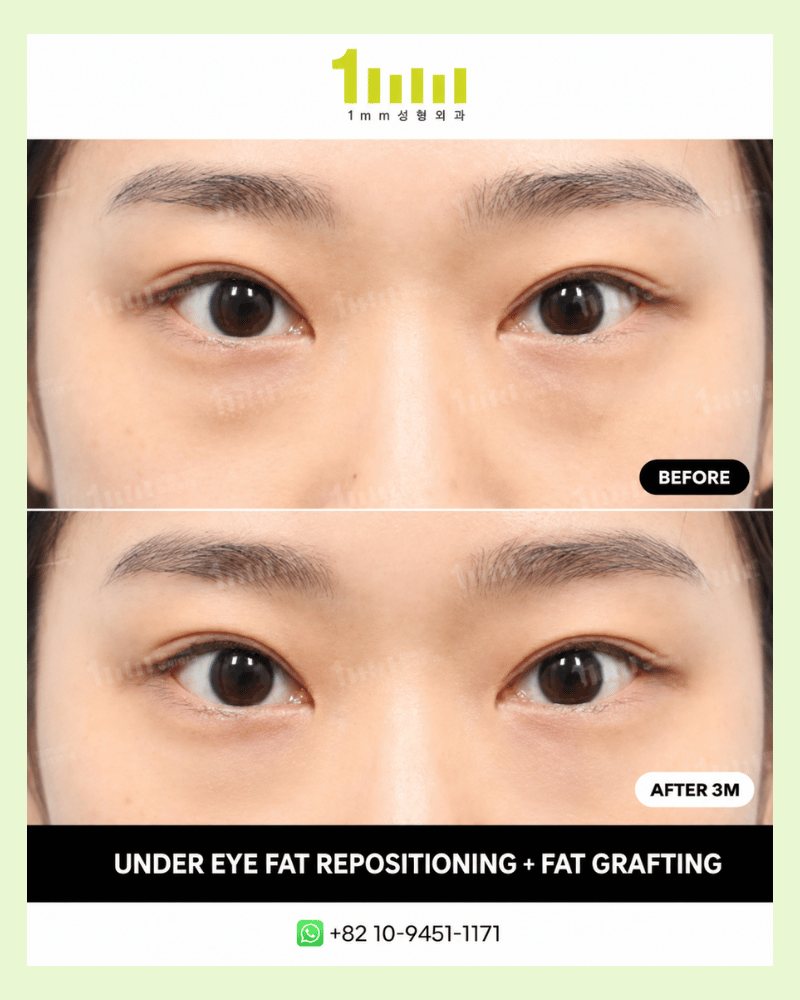
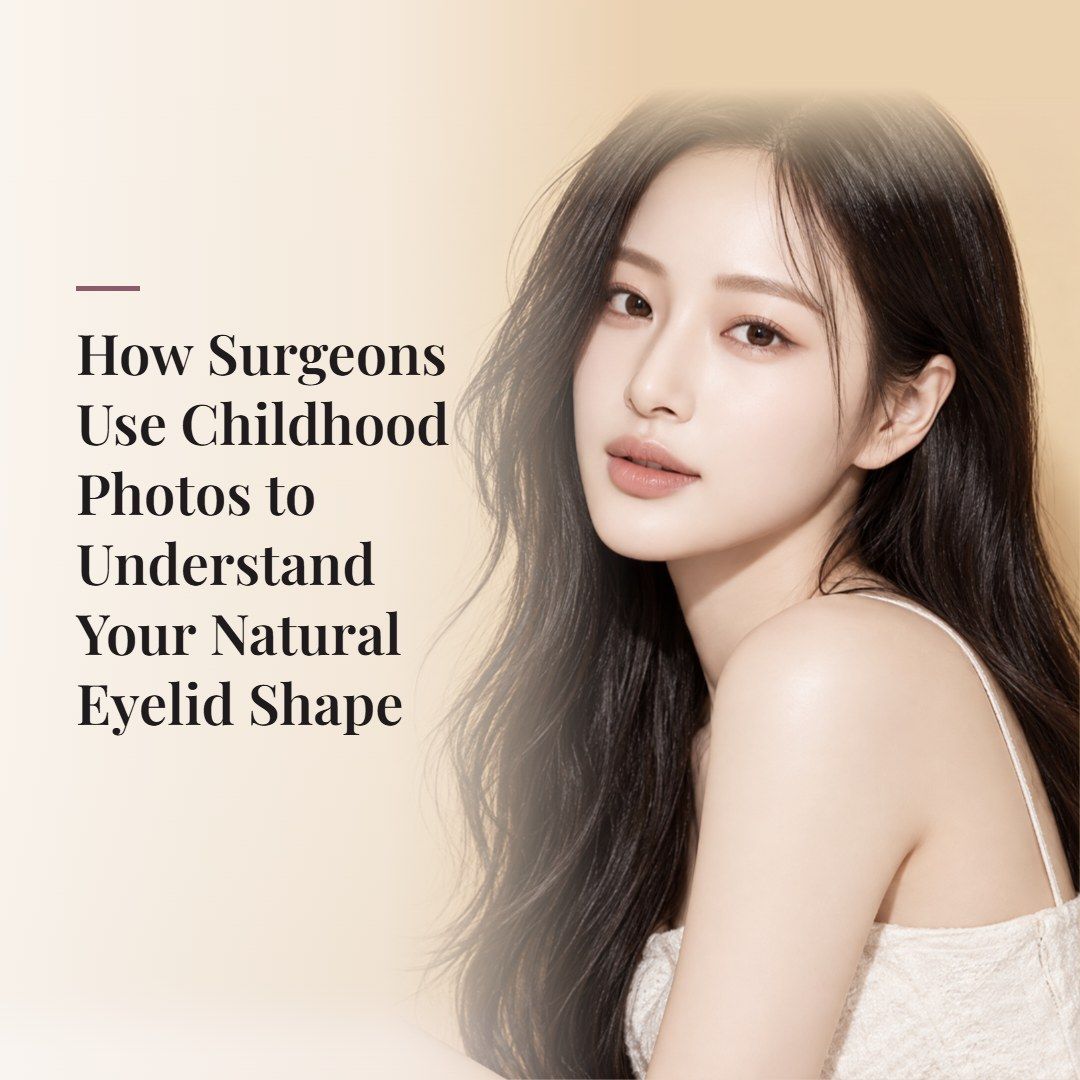
When planning eyelid surgery, many surgeons ask patients to bring photographs from childhood, adolescence or early adulthood. This request sometimes surprises people, but older photos can reveal a great deal about natural eyelid anatomy. They show how the crease, lid height, brow position and fullness have changed over time, and they help the surgeon aim for a result that looks like a refreshed version of you rather than a different person.
What Older Photos Can Reveal
Comparing current eyes with earlier images can show:
- Whether you once had a natural crease that has become hidden or faded
- How much upper eyelid fullness or hollowness you had when younger
- Changes in brow position over the years
- Whether one eye has always been slightly different from the other
- The natural direction of your eyelashes before skin changes developed
Distinguishing Aging From Natural Anatomy
A heavy eyelid today may be caused by aging, such as skin laxity or brow descent, or it may simply reflect how your eyes have always looked. Photos help separate these possibilities. If you had a clear crease at 20 that is now covered, restoring it may be the goal. If you never had a crease, creating one is a design decision that needs careful discussion so that the change feels natural for your face.
Detecting Long-Standing Asymmetry
Most faces have some asymmetry:
- Older photos can show whether an eye difference has been present since childhood.
- Long-standing differences may reflect natural anatomy rather than a new problem.
- Recent changes in one eye may suggest ptosis or another condition that needs evaluation.
Knowing the history helps the surgeon decide how closely to aim for symmetry and what may cause the difference.
Small details often make the biggest difference to how natural the result looks. A change of one or two millimetres in height, the amount of tissue adjusted, or the exact point where a line begins can shift the overall impression from refreshed to obviously operated, which is why careful measurement is so important.
Choosing the Best Reference Photos
Some photos are more useful than others:
- Front-facing images with the eyes open and looking straight ahead
- Pictures in natural light without heavy makeup or filters
- Images from several stages of life, such as childhood, teens and twenties
- Photos that show the face relaxed rather than smiling broadly
Digital or printed copies are both helpful as long as the eyes are clear.
Using Photos to Guide Crease Height
If you had a natural crease in the past, its height and shape can be an excellent guide. Recreating a fold similar to your younger self usually looks harmonious with your facial features. If your goal is a new crease shape, older photos still help the surgeon understand how much the eyelid can change while preserving your recognisable expression. This is particularly useful for patients who want a subtle, age-appropriate improvement.
Expectations should also account for the natural limits of tissue. Skin, muscle and fat respond differently from person to person, and a technique that produces a dramatic change in one patient may give a more modest result in another. Honest discussion of these limits is a sign of careful, responsible planning.
Planning Around Volume Changes
Photos often reveal volume loss:
- Younger photos may show fuller lids that have since hollowed.
- Fat preservation or repositioning may be preferred to avoid accelerating this change.
- In some cases, restoring a little volume can bring back a more youthful look.
Finally, remember that recovery is not a straight line. Swelling can change from morning to evening, one side may settle faster than the other, and the appearance at two weeks is rarely the final result. Keeping a simple photo diary and attending every follow-up visit gives you and your surgeon the clearest picture of how healing is progressing.
Limits of Photo Comparison
Photos are a guide, not a blueprint. Lighting, camera angle, expression and image quality can distort eyelid shape. Children also have different proportions than adults, so recreating a childhood eye exactly is not realistic or desirable. Surgeons combine photo review with a careful examination, measurements and crease simulation to build a complete picture before deciding on a plan.
Key Points to Remember
Ask your surgeon which photos would be most helpful, how your eyelids have changed over time, and whether the plan aims to restore a former crease or create a new one.
- Older photos reveal how your natural eyelid anatomy has evolved.
- They help separate aging changes from long-standing features.
- Long-standing asymmetry may be normal rather than a new problem.
- Photos guide planning but do not replace a physical examination.
Bringing a few thoughtful photos is a simple step that can make your result look more natural and more like you.
Because eyelid surgery involves very small measurements, even minor differences in anatomy can change which approach is most suitable. Reading about the options is a useful first step, but the most important information comes from an examination of your own eyes, a clear explanation of the risks and benefits, and time to compare your choices calmly before committing to surgery.