

Many people with single eyelids or heavy upper lids notice that their upper eyelashes point downward, sometimes brushing against the eye or making the eyes look smaller and more tired. A common question is whether double eyelid surgery can change the direction of these lashes. In many cases, creating a crease does lift the lashes and make them appear more upward, but the effect depends on why they point down in the first place.
Why Upper Lashes Point Downward
Several factors can push lashes down:
- Skin overhang: excess skin above the lash line rests on the lashes and presses them downward.
- Lack of a crease: without a fold, the skin in front of the lashes does not lift them when the eye opens.
- Epicanthal fold: at the inner corner, the fold can turn inner lashes inward.
- Lid position: a weak eyelid-lifting muscle can cause the lid and lashes to sit low.
How a Crease Can Lift the Lashes
When a double eyelid crease is created, the skin below the crease is attached to deeper structures. As the eye opens, this attachment pulls the skin and the lash line slightly upward and outward. The lashes then tilt into a more upward direction and become more visible. Many patients notice that their eyes look brighter and that mascara is easier to apply after the crease has healed.
When Surgery Is Likely to Help
Double eyelid surgery tends to improve lash direction when:
- The lashes point down mainly because of skin overhang
- The person has no crease or a very low, weak crease
- The eyelid opens with normal strength
- The lashes themselves are growing in a normal direction from the lid margin
If you are unsure, it is perfectly reasonable to ask for a second consultation or more time to think. A good surgeon will welcome questions, provide clear explanations and photographs, and never pressure you into a decision before you feel confident about the plan.
When Other Problems Need Attention
Sometimes lashes point inward or rub the eye for other reasons. Inner-corner lashes may turn toward the eye because of the epicanthal fold, and this may require attention at the inner corner rather than the crease alone. In rarer cases, lashes grow from an abnormal position or the eyelid margin itself turns inward. These conditions may need different treatment, so a careful examination of the lid margin and lash growth is important before surgery.
Adjusting the Design to Improve Lash Direction
Surgeons can make specific design choices to help the lashes:
- Placing fixation points so that the lash line is gently everted
- Removing a small amount of skin directly above the lashes when overhang is significant
- Ensuring the crease extends far enough toward the inner and outer corners
- Correcting mild ptosis when the lid sits low
These adjustments are made carefully to avoid over-everting the lash line, which can look unnatural.
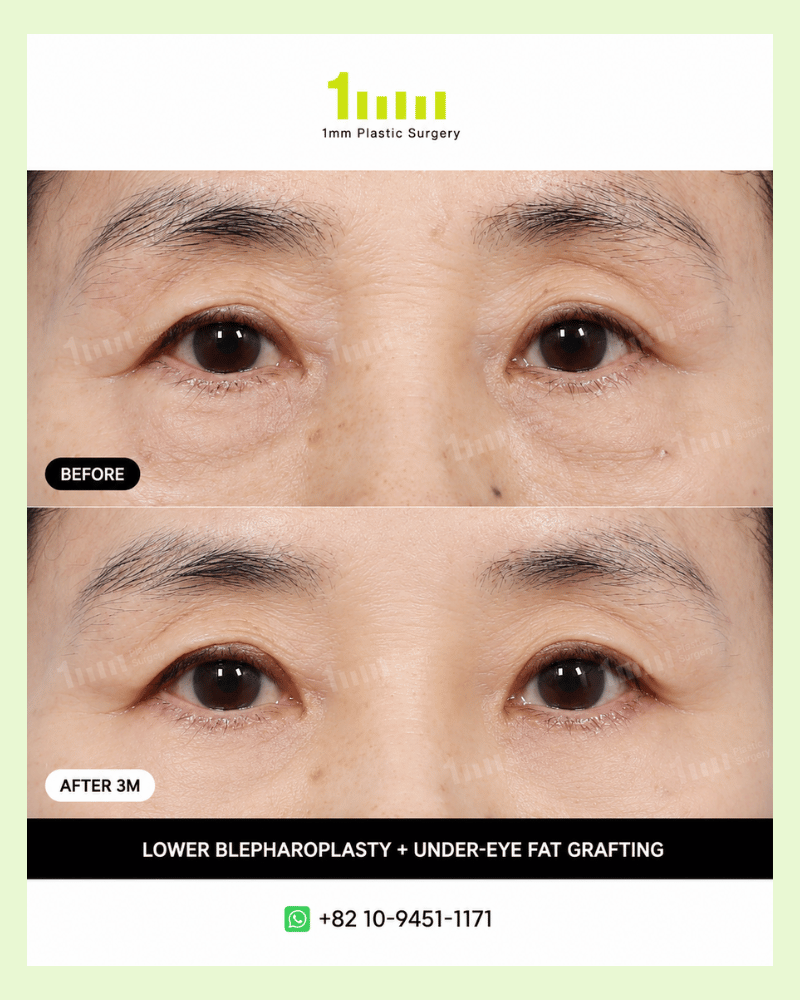
Patients often find it reassuring to see examples of people with similar anatomy who have undergone the same approach. Before-and-after photos taken in consistent lighting, with the same expression and camera angle, provide a far more reliable impression of likely results than isolated images chosen only for their visual impact.
Comfort and Eye Health Benefits
For some patients, lifting the lashes is not only cosmetic. Lashes that rub against the eye surface can cause irritation, watering, redness and a feeling of grit. When surgery lifts them away from the eye, these symptoms may improve. Anyone with persistent eye irritation should mention it during consultation, because it may influence the surgical plan and may also require evaluation by an eye specialist.
Planning your schedule around recovery is equally important. Most people need several days of rest followed by a period when swelling is still visible, so it is wise to avoid booking important events, travel or photographs too soon afterwards. Building in extra time allows healing to progress naturally without pressure to judge the result early.
What to Expect After Surgery
In the first weeks, swelling can temporarily affect lash direction:
- Lashes may appear more upturned than they will eventually be
- Some patients notice uneven lash direction between the two eyes during healing
- As swelling settles over one to three months, the lashes find their final position
Lash lifts and perms are usually avoided until healing is well established.
Questions to Ask Your Surgeon
Ask why your lashes point downward, whether the crease alone will correct it, and whether the inner corner or lid margin also needs attention.
- Skin overhang is the most common reason upper lashes point down.
- A well-designed crease often lifts lashes into a more upward direction.
- Inner-corner and margin problems may need separate treatment.
- Final lash direction is clearer once swelling has settled.
Understanding the cause allows the surgeon to design a crease that improves both the appearance and comfort of the eyes.
Every eyelid is different, and general information like this cannot replace an in-person examination. Measurements, photographs and a careful discussion of your goals allow a surgeon to explain which options are realistic for your anatomy, what the recovery will involve, and how the result is likely to change over time. Taking the time to understand these details before deciding is one of the most reliable ways to achieve a natural, lasting outcome.