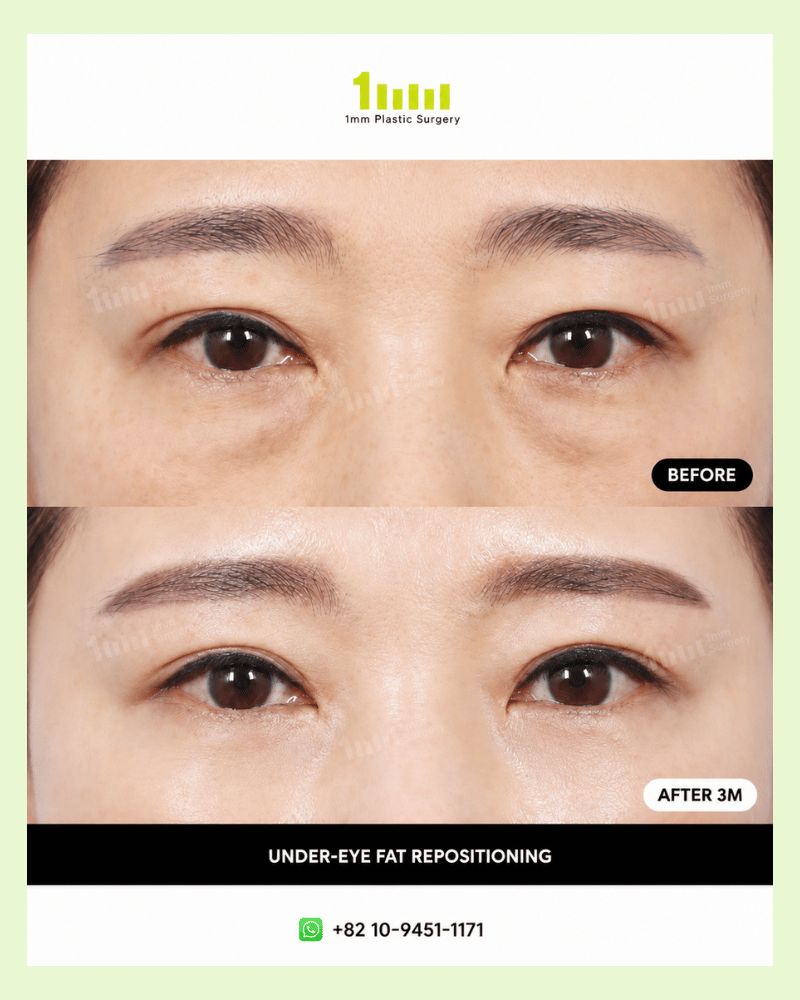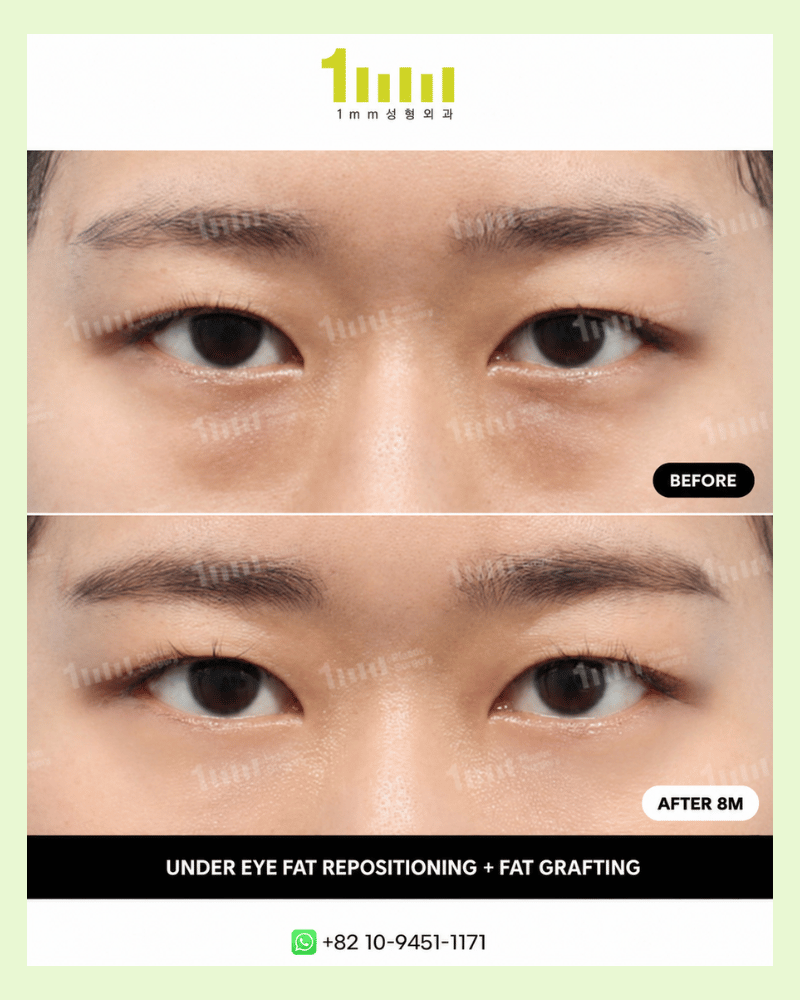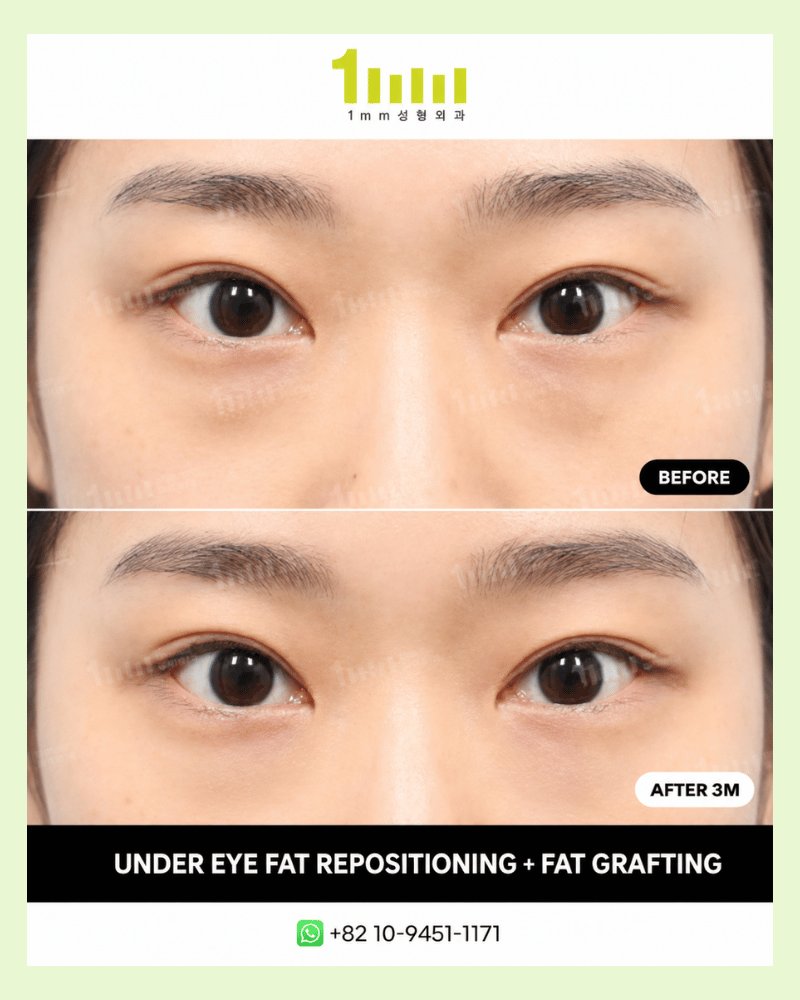
Upper Blepharoplasty Before and After
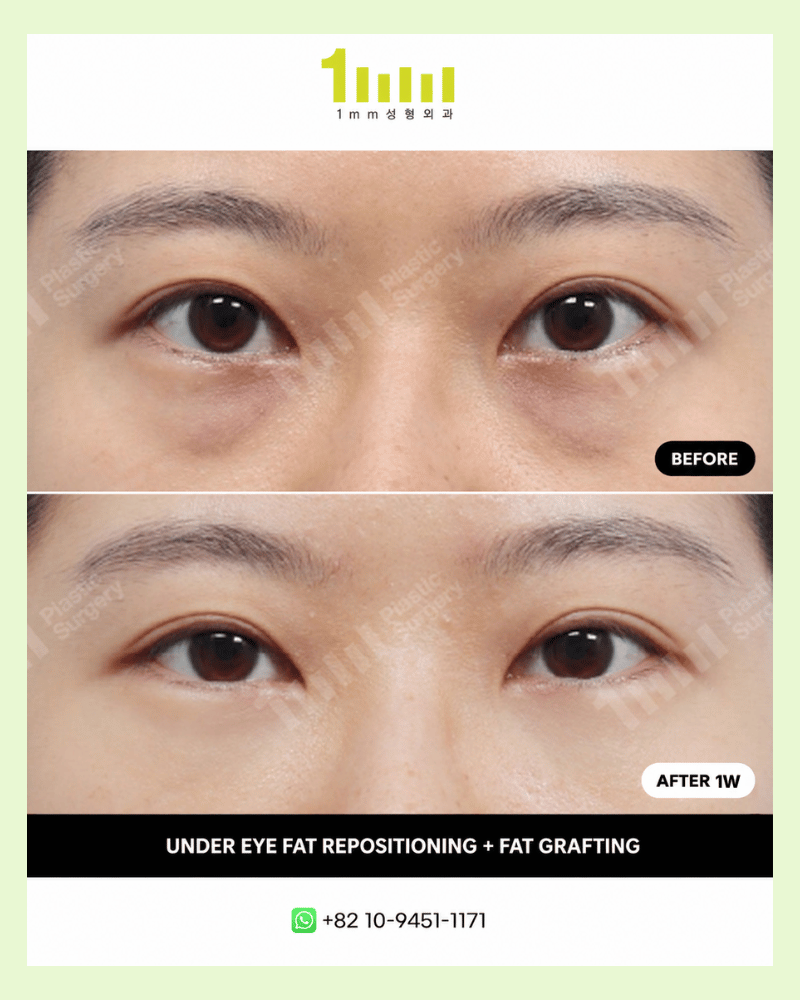
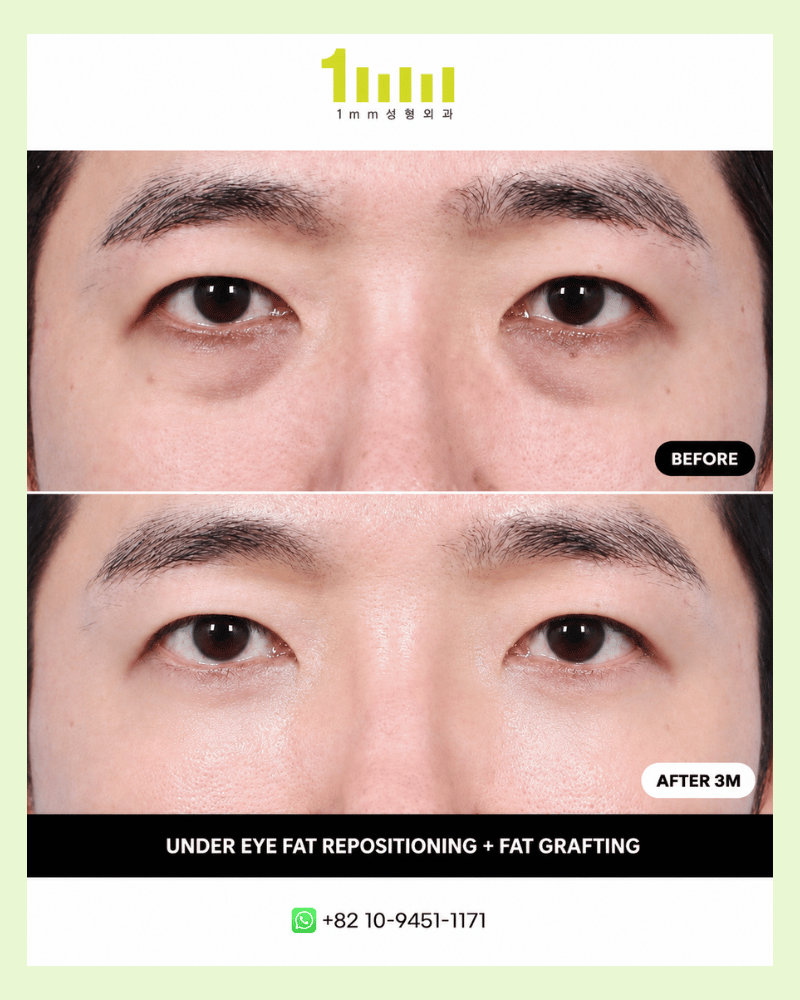
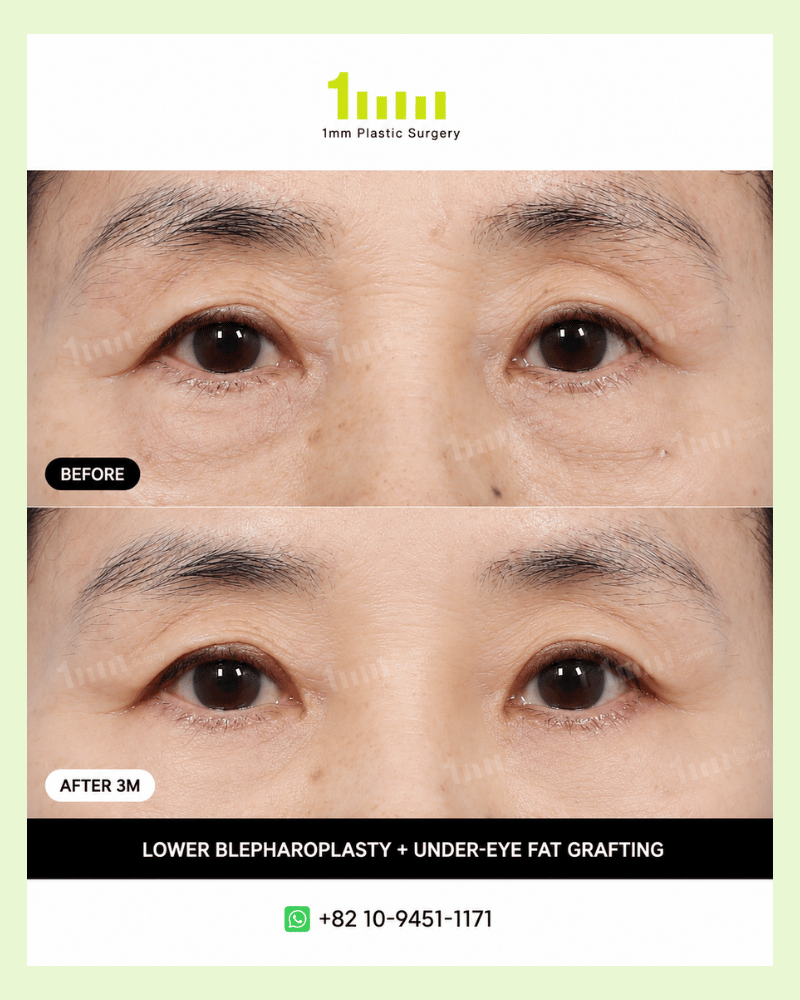
Examining before and after outcomes is one of the most effective ways to understand the practical impact of upper blepharoplasty. By comparing pre-operative eyelid conditions with fully healed post-operative results, international patients considering treatment in South Korea can set realistic expectations for both aesthetic rejuvenation and visual field clearance.
What Is Upper Blepharoplasty & Benefits
Upper blepharoplasty is a specialized surgical procedure that removes drooping upper eyelid skin, stretched muscle, and redundant fat. Analyzing before and after changes highlights how structural adjustments translate into noticeable facial refresh.
Reviewing typical before and after transformations illustrates several key benefits:
- Restoration of Eye Symmetry: Corrects uneven skin laxity between the left and right eyelids, creating a balanced, harmonized upper face.
- Visible Crease Definition: Uncovers a buried natural fold or cleans up a heavy, sagging hood that previously covered the lash line.
- Expanded Visual Clarity: Removes overhanging tissue folds to open up the upper and outer peripheral fields of vision.
What Changes Before and After Surgery
Understanding the specific physical changes that occur throughout the healing journey helps patients evaluate their own potential results.
- Before Surgery (Pre-Operative State): Eyelids often present with heavy skin hooding, obscured lash lines, deep forehead lines from compensatory brow lifting, and a perpetually tired or stern facial expression.
- Immediate Post-Op Phase (Days 1 to 7): Early results show minor swelling and bruising around the incision lines, with temporary tightness as internal tissues begin anchored healing.
- Fully Healed Result (3 to 6 Months After): Excess skin is gone, the eyelash line is completely revealed, forehead tension is relaxed, and the upper face appears energetic, open, and naturally youthful.
Treatment Process
Achieving a clean, natural before-and-after transformation involves a precise, step-by-step surgical plan under local anesthesia with light sedation.
- Pre-Operative Analysis & Marking: The surgeon carefully measures skin elasticity and marks the precise strip of loose tissue to remove while you are sitting upright to ensure optimal symmetry.
- Surgical Execution: A fine incision is made along the natural upper fold line. Excess skin and protruding fat pads are excised or repositioned, and the area is closed with ultra-fine sutures.
- Post-Op Monitoring & Stitch Removal: Patients return to the clinic roughly 5 to 7 days after surgery for stitch removal and a healing assessment as the new contour begins to stabilize.
Precautions & Aftercare
Strict adherence to post-operative recovery steps is essential for achieving optimal before-and-after results with minimal visible scarring.
- First Few Days: Apply cold ice packs consistently over your eyes to constrict blood vessels, controlling initial swelling and tissue bruising.
- Later Healing Phase: Switch to warm compresses after three days to stimulate blood circulation and encourage healing tissue layers to soften.
- Avoid Tissue Stress: Refrain from rubbing your eyes, wearing contact lenses, or applying eye makeup for at least two to three weeks to protect the healing incision line.
- Elevated Rest: Sleep with your head elevated higher than your chest using extra pillows during the first week to reduce morning fluid retention around the eyes.
Estimated Cost
Surgical pricing reflects the technical scope, anatomical complexity, and surgical refinement required for optimal outcomes:
- Standard Upper Blepharoplasty: $2,000 – $3,500 USD (Includes skin excision, fat sculpting, and routine follow-up care)
- Complex Upper Blepharoplasty with Ptosis Repair: $2,800 – $4,500 USD (Addresses severe hooding alongside underlying eye muscle weakness)
Why Choose Korea for Upper Blepharoplasty?
South Korea is globally recognized as the capital of facial plastic surgery, combining unmatched anatomical expertise with refined aesthetic tastes.
- Natural, Non-Over-Tightened Aesthetics: Korean specialists focus on conservative tissue removal, ensuring before-and-after results look soft, natural, and authentic rather than artificially pulled or hollowed.
- Micro-Surgical Scar Concealment: Surgeons utilize ultra-fine suturing techniques that hide incision lines directly within the natural fold, ensuring post-op scars fade into faint, hidden marks.
- Comprehensive Global Patient Support: Premier clinics across Seoul provide fluent English coordinators, advanced post-op deswelling light therapies, and easy administrative assistance for global travelers.
Final Thoughts
Comparing upper blepharoplasty before and after outcomes demonstrates how removing heavy, drooping eyelid tissue can dramatically refresh your gaze and improve visual comfort. By consulting with an experienced, board-certified plastic surgeon in South Korea, you can receive a personalized treatment plan designed to achieve safe, symmetrical, and long-lasting results.
You might also like