Questions to Ask Your Surgeon
Consulting with a plastic surgeon is the most important step in your eyelid surgery journey. Whether you are considering double eyelid surgery, ptosis correction, or canthoplasty, asking the right questions helps you evaluate the surgeon's expertise, understand the technique best suited for your anatomy, and set realistic expectations.
Here is a comprehensive checklist of questions to bring to your consultation in Seoul.
1. Surgeon Credentials & Specialization
- Are you a board-certified plastic surgeon specializing in eye procedures?
- Why ask: Eyelids require precise anatomical knowledge. Ensure your surgeon is certified by the Korean Society of Plastic and Reconstructive Surgeons (KSPRS) and performs eyelid surgeries frequently.
- How many eyelid surgeries of this specific type do you perform each month?
- Why ask: Volume indicates refined technical skill and familiarity with different eye shapes and asymmetry challenges.
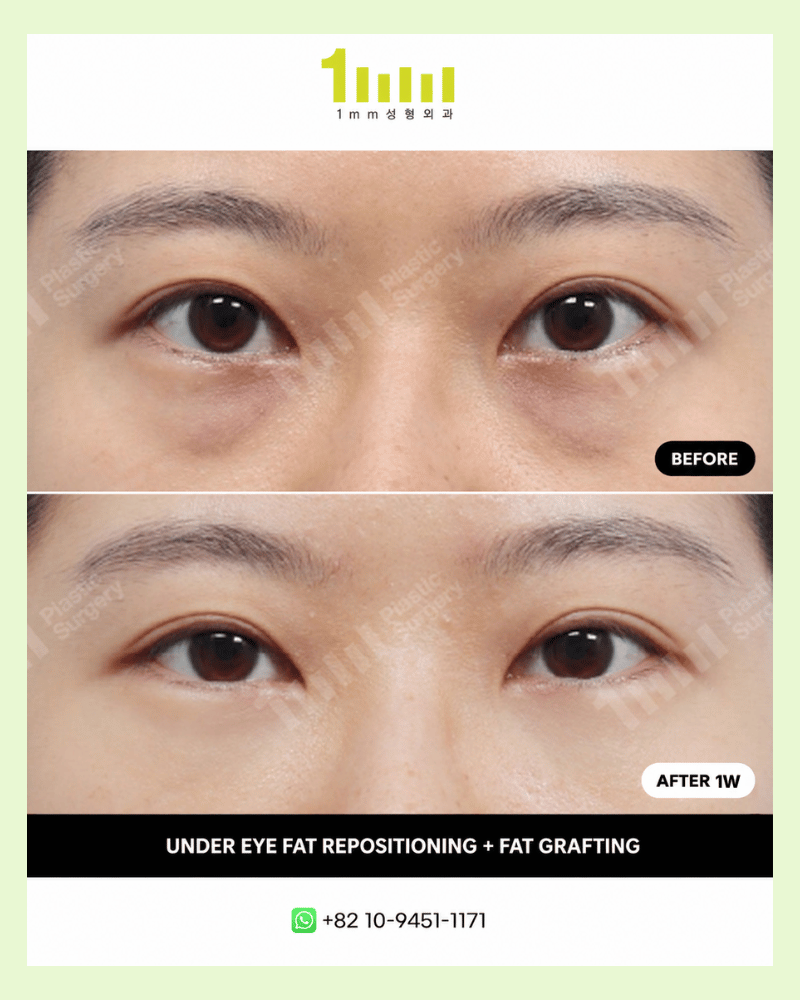
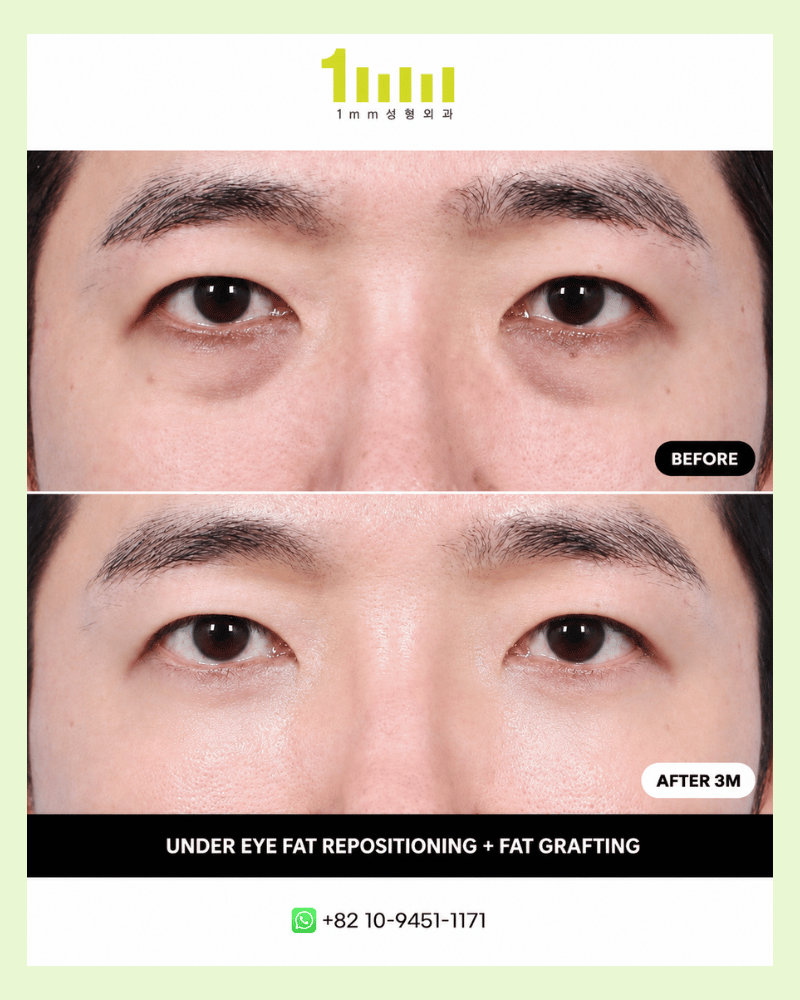
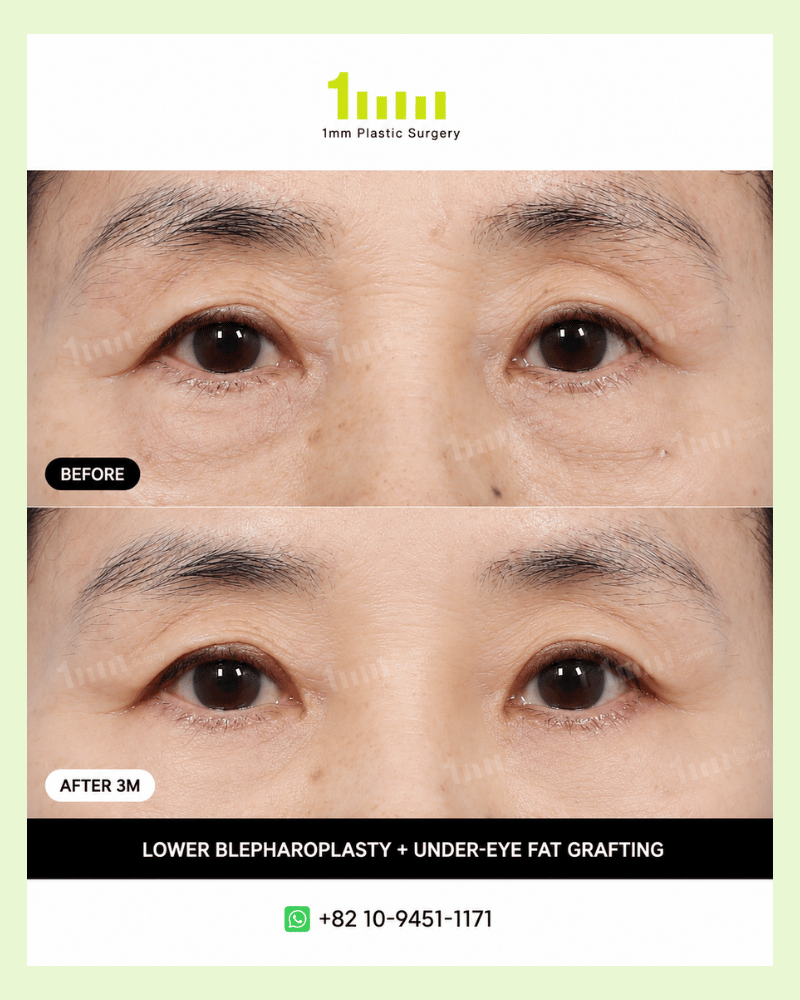
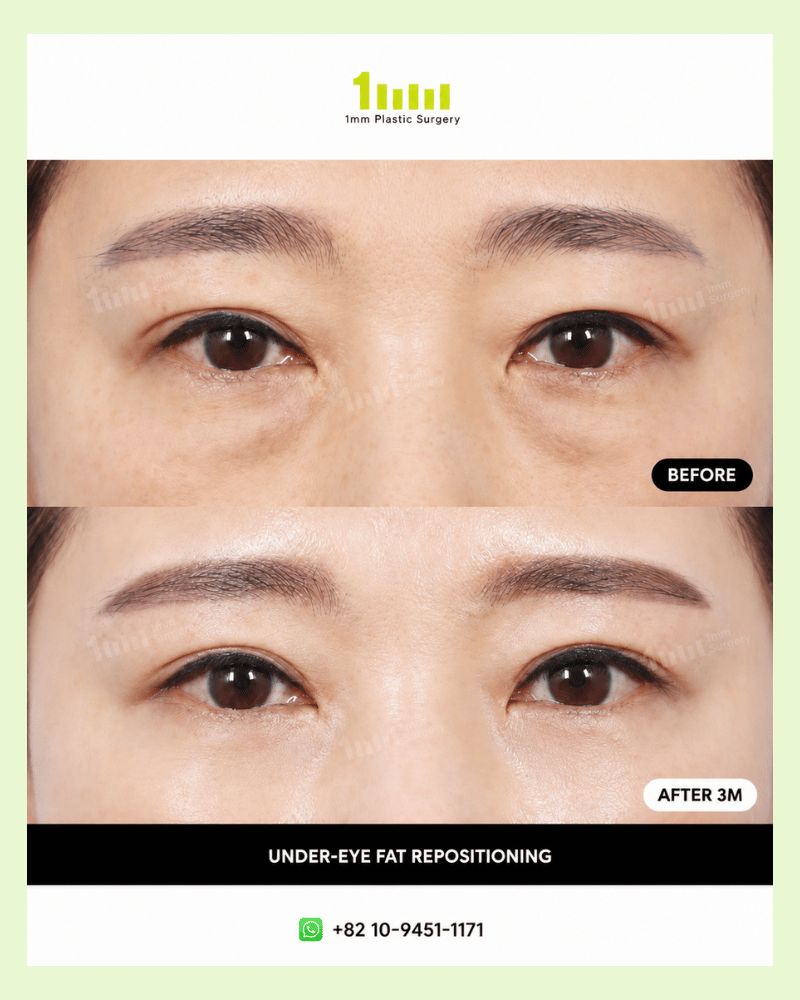
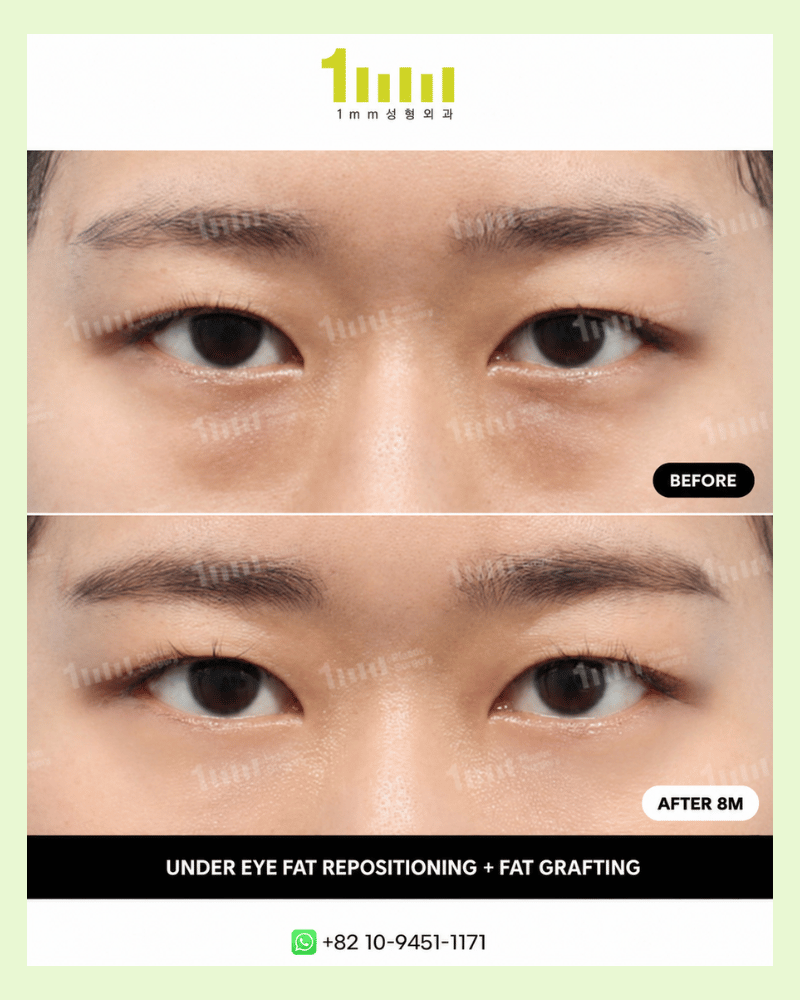
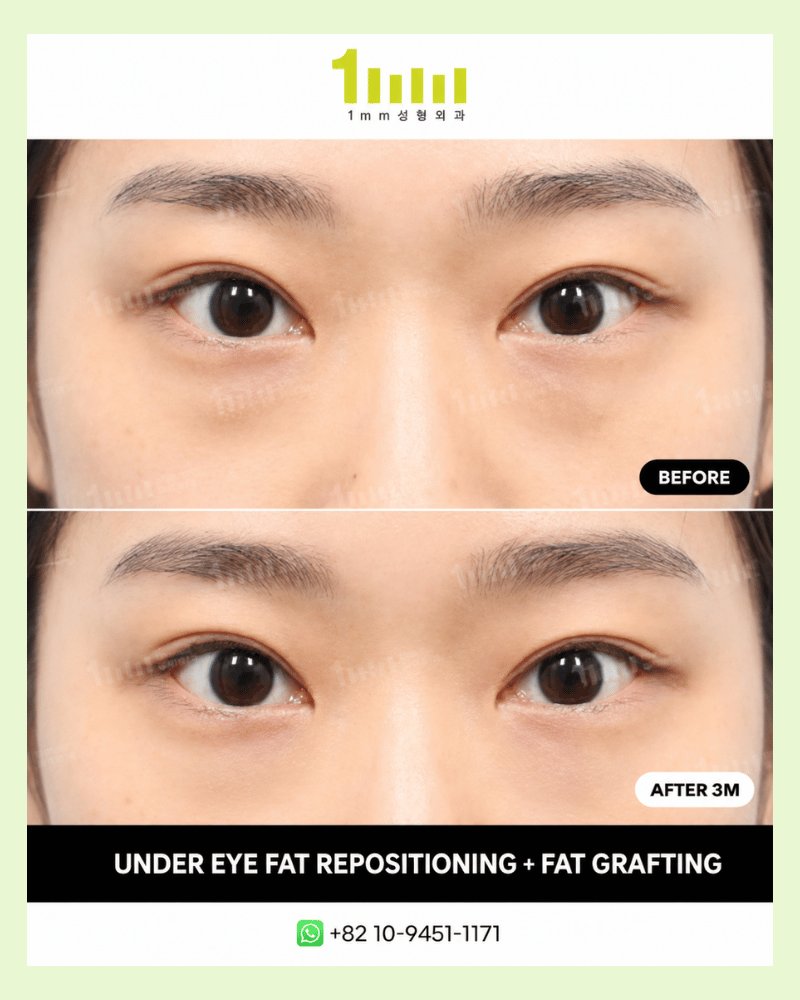
- Do you have before-and-after photos of foreign patients with eye shapes similar to mine?
- Why ask: Reviewing prior work helps you gauge the surgeon's aesthetic style—whether they favor natural, low creases or dramatic, high folds.
2. Surgical Technique & Customization
- Which technique do you recommend for my eyes—incisional or non-incisional—and why?
- Why ask: Non-incisional (suture) methods offer faster recovery with no visible scars, but incisional methods are necessary for patients with thicker skin, excess fat, or significant skin sagging.
- Do I need additional procedures like ptosis correction or canthoplasty?
- Why ask: Combining procedures can enhance overall eye symmetry and openness, but each addition affects recovery time and overall outcome.
- Where will the incisions be placed, and how do you minimize visible scarring?
- Why ask: A skilled surgeon hides incisions along natural lid creases or inside the eyelid (transconjunctival) to make scars virtually unnoticeable once fully healed.
3. Anesthesia, Safety & Facility
- What type of anesthesia will be used, and who administers it?
- Why ask: Eyelid procedures are typically performed under local anesthesia with light sedation. Confirm whether a certified anesthesiologist is present for deeper sedation.
- How does the clinic handle surgical emergencies or post-op complications?
- Why ask: Reputable clinics maintain dedicated emergency equipment and clear protocols for patient safety.
- Will an English-speaking medical coordinator be present during the procedure and follow-ups?
- Why ask: Seamless communication ensures your comfort and prevents misinterpretation of post-operative instructions.
4. Recovery Timeline & Post-Op Care
- What is the typical recovery timeline for swelling, bruising, and stitch removal?
- Why ask: Stitches are usually removed within 5–7 days. Knowing the timeline allows foreign travelers to plan their stay in Seoul accordingly.
- When can I safely fly back home after surgery?
- Why ask: Most surgeons recommend staying in Korea for 7 to 10 days post-surgery to complete initial follow-up checks and stitch removal.
- What follow-up care or treatments (such as LED deswelling therapy) are included in my package?
- Why ask: Premium clinics offer post-op deswelling management to accelerate healing before you travel home.
Estimated Cost Range for Eyelid Surgery in Korea
- Non-Incisional Double Eyelid Surgery: $1,200 – $2,500 USD
- Incisional Double Eyelid Surgery: $2,000 – $4,000 USD
- Ptosis Correction (Levator Resection/Suture): $2,500 – $4,500 USD
- Canthoplasty (Epicanthoplasty / Lateral Canthoplasty): $1,000 – $2,000 USD per site
- Revision Eyelid Surgery: $3,500 – $7,000+ USD
Note: Final pricing depends on surgical complexity, doctor reputation, and bundled clinic services.
Why Consult & Recover in Korea?
- Unmatched Expertise: Korean plastic surgeons perform thousands of eyelid procedures annually, making them world leaders in natural-looking eye enhancements.
- Tailored International Services: Major Seoul clinics feature dedicated English-speaking staff, tax refund processing, and post-op care routines tailored for medical tourists.
- Advanced Deswelling Technology: Post-care programs including infrared light therapy and lymphatic massage help reduce swelling rapidly before flight departures.
Final Thoughts
A successful eyelid surgery starts with open communication. Do not hesitate to ask detailed questions, express your precise aesthetic goals, and request clear explanations regarding recovery. Choosing a surgeon who listens carefully and explains their technical approach transparently will ensure a smooth experience and satisfying results.
You might also like