Best Candidates for Upper Eyelid Surgery
Upper eyelid surgery (upper blepharoplasty) is a highly versatile procedure that addresses both aesthetic concerns and physical discomfort caused by drooping upper eyelid tissue. Whether motivated by age-related skin sagging, genetic eyelid structure, or functional vision blockages, identifying whether you are an ideal candidate is the first step toward a safe and successful outcome in South Korea.
What Makes an Ideal Candidate?
An optimal candidate for upper blepharoplasty generally exhibits specific anatomical indicators alongside good overall health and realistic expectations.
- Sufficient Upper Eyelid Laxity: Individuals with excess, sagging, or overhanging skin fold on the upper eyelid that obscures the natural eyelash line or creates a heavy, tired appearance.
- Stable Eyebrow Position: Patients whose primary concern is loose eyelid skin rather than severely dropped eyebrows (which may require a brow lift instead).
- Clear Functional or Aesthetic Goals: Individuals seeking to open up their visual field, reduce forehead strain, define an eyelid crease, or refresh a perpetually tired gaze.
- Good Physical & Ocular Health: Candidates without active eye infections, uncontrolled dry eye syndrome, or unmanaged systemic conditions (such as uncontrolled hypertension or diabetes) that could impair healing.
Key Signs You May Need Upper Blepharoplasty
Many candidates experience a combination of visual, physical, and aesthetic changes that signal it is time to consider surgery:
- Heavy Hooded Eyelids: Excess skin drapes down over the upper lid, swallowing the natural crease or hanging over the lashes.
- Obstructed Peripheral Vision: Sagging skin folds block the upper or outer side fields of sight, making reading, driving, or looking up difficult.
- Persistent Forehead Fatigue: Chronic eyebrow raising and forehead crinkling caused by an unconscious effort to keep low-hanging eyelids lifted.
- Asymmetrical Eyelid Folds: Uneven skin sagging between the left and right eyes, causing noticeable asymmetry in eye size or shape.
- Makeup Smudging & Irritation: Eyeliner and eyeshadow constantly transfer or smudge due to skin-on-skin friction over the eyelid fold.
Aesthetic vs. Functional Candidates
Understanding whether your needs are aesthetic, functional, or both helps tailor the surgical approach.
- Aesthetic Candidates: Typically younger to middle-aged individuals looking to define a crisp eyelid crease, smooth out localized fat bulges, or restore a youthful, refreshed upper orbital contour.
- Functional Candidates: Often older adults or individuals with severe dermatochalasis where heavy skin folds physically impair vision, cause eyelash inversion, or trigger persistent tension headaches.
Evaluating Your Brow & Eyelid Relationship
A crucial part of candidacy evaluation is distinguishing between upper eyelid laxity and brow descent (brow ptosis).
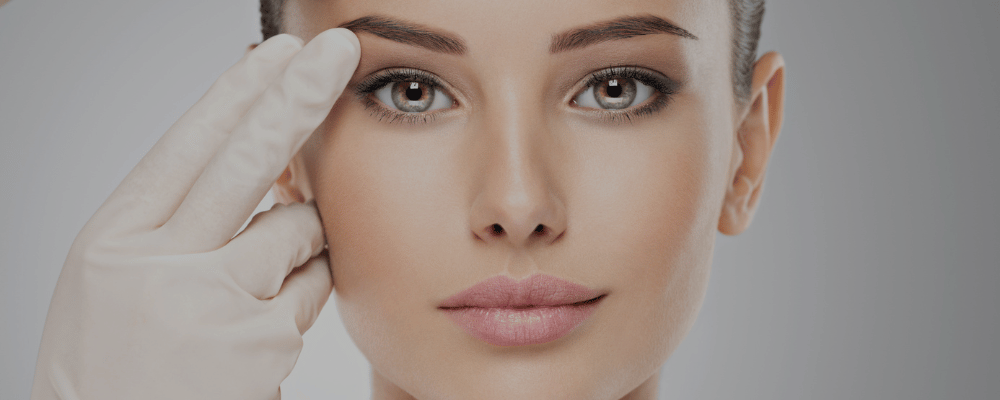
- Primary Eyelid Laxity: If manually lifting the loose skin above the eyelashes clears the hooding while your eyebrow remains at a normal height, you are a primary candidate for upper blepharoplasty.
- Secondary Hooding (Brow Ptosis): If your eyebrows sit below the upper rim of the eye socket, the heavy eyelid skin may actually be pushed down by a sagging brow. In such cases, a brow lift or a combined procedure yields the best anatomical balance.
The Evaluation Process
- Anatomical Consultation: The surgeon evaluates eyelid skin elasticity, underlying fat distribution, eyelid muscle strength (levator function), and brow height while you sit upright.
- Ocular Health Check: Screening for dry eye symptoms, tear production quality, and previous eye surgeries to ensure safe healing.
- Customized Surgical Design: Precise measurement and marking of the exact millimeter of excess skin to excise for balanced, symmetrical closure.
Estimated Cost Range
Surgical costs vary based on the complexity of the procedure and whether functional muscle repair is required:
- Standard Upper Blepharoplasty: $1,500 – $3,500 USD (Covers excess skin removal, orbital fat pad sculpting, and routine follow-up care)
- Functional Blepharoplasty with Ptosis Repair: $2,500 – $4,500 USD (Combines skin excision with levator muscle tightening for weak eyelids)
Why Choose Korea for Upper Eyelid Surgery?
- Precise Anatomical Diagnosis: Korean specialists carefully analyze the interaction between your brows, eyelid muscles, and skin structure to recommend the exact procedure you need without unnecessary surgery.
- Micro-Surgical Precision: Surgeons use advanced micro-suturing and volume-preserving techniques to deliver natural, non-over-tightened results.
- Tailored Ethnic Expertise: High surgical volume allows Korean doctors to seamlessly customize double eyelid creation or anti-aging lifts according to each patient's unique facial harmony.
Final Thoughts
Determining if you are a good candidate for upper blepharoplasty involves assessing your skin elasticity, brow position, and vision clarity. Consulting with an experienced, board-certified plastic surgeon in South Korea ensures an accurate anatomical evaluation and a surgical plan tailored to achieve a safe, wide-awake, and long-lasting result.
You might also like